
Hello, this is Dalimchae Korean Medicine Clinic.
Do you hear a ringing in your ears? Have you only been told that test results are normal?
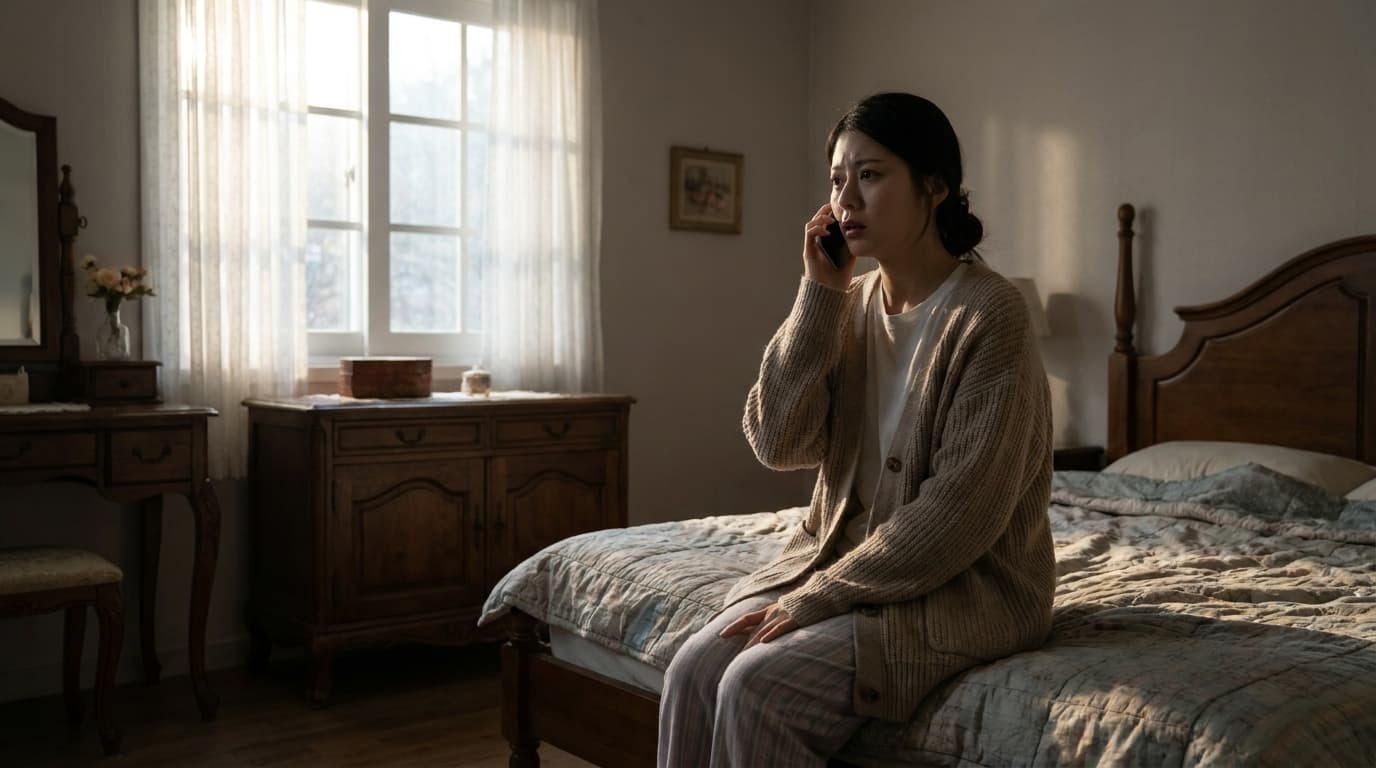
Have you ever experienced a sudden ringing, buzzing, or cicada-like sound in your ears that made daily life difficult? As the quiet night deepens, the sound becomes clearer, making it hard to sleep. Worried that it might be a serious condition, you may have visited an ENT clinic, only to be told, "There is nothing wrong on the tests," "Your nerves are just sensitive," or "Just live with it like a friend." This is the reality faced by many people who complain, "I hear a ringing in my ear." However, these symptoms should never be ignored as mere body signals; they can be a strong warning sign that the important balance of our body has been broken.
💡 [Core Answer] Top 3 most common causes of tinnitus with ringing sounds: ① Autonomic nervous system imbalance due to excessive stress and fatigue ② Hypersensitivity and functional abnormalities of the brain's auditory nervous system ③ Cervical spine-related blood circulation disorders and muscle tension Dalimchae Korean Medicine Clinic helps you escape from tinnitus by correcting the body's imbalance through autonomic stabilization treatment rather than just treating the sound in the ear.
Why Do I Hear a Ringing Sound That Only I Can Perceive?
Most tinnitus is subjective, meaning patients perceive sound when there is no external sound stimulation. It is easy to think of it as simply a problem with the ear, but tinnitus is actually closely related to malfunctions in the brain nervous system connected to the auditory system, especially imbalances in the autonomic nervous system. When the balance of the autonomic nervous system collapses due to stress, overwork, lack of sleep, etc., the sympathetic nervous system becomes excessively hyperactive, affecting the brainstem and auditory nerve, causing the brain to perceive it as sound even though it is not actual sound.
This autonomic imbalance can be confirmed through Heart Rate Variability (HRV) changes. HRV analyzes micro-changes in the interval between heartbeats to evaluate autonomic nervous system activity. Tinnitus patients tend to show significantly different HRV specific metrics compared to healthy individuals.
How Does Korean Medicine View Tinnitus?
In Korean medicine, tinnitus has long been treated importantly as 'ear ringing'. It is seen as arising not simply from sound in the ear, but from imbalances in the internal organs, especially kidney energy deficiency, liver fire elevation, and phlegm dampness. This aligns with modern medicine's description of autonomic imbalance and stress response. In other words, accumulated stress and fatigue decrease kidney function, which governs body energy, or persistent tension and anxiety hyperactivate liver function, affecting blood circulation and the nervous system around the ear.
Indeed, a 2013 study published in 《Evid Based Complement Alternat Med.》 by a research team at Kyung Hee University Oriental Hospital compared and analyzed the HRV of 40 tinnitus patients (19 acute, 21 chronic) and 40 healthy controls. The results showed that tinnitus patients had significantly decreased High Frequency (HF) components and Total Power, and significantly increased Low Frequency (LF) to High Frequency (HF) ratio (P < 0.05). This suggests reduced vagus nerve activity (decreased parasympathetic activity) and sympathetic hyperactivity in tinnitus patients. Particularly, chronic tinnitus patients showed stronger autonomic changes. Based on these results, researchers suggested that Korean medical treatments such as acupuncture and qigong training can be effective for tinnitus by regulating cardiac autonomic function.
Furthermore, according to a 2023 literature review on acupuncture and transcutaneous electrical stimulation for tinnitus published in the 《Journal of Korean Medicine Ophthalmology & Otolaryngology & Dermatology》, analysis of 4 studies showed that both acupuncture and transcutaneous electrical stimulation had significant effects on tinnitus symptoms. In particular, 2 studies evaluating HRV confirmed sympathetic dominance and decreased parasympathetic activity before treatment, but after treatment, parasympathetic activation and sympathetic imbalance were corrected. These studies show that tinnitus is closely related to systemic autonomic imbalance rather than a simple ear problem, and Korean medical treatment can contribute to symptom improvement by regulating this imbalance. Based on these data, Dalimchae Korean Medicine Clinic provides treatment focused on restoring the balance of the autonomic nervous system, the root cause of tinnitus.
How Dalimchae's Autonomic Stabilization Treatment Quiets the Ringing
At Dalimchae Korean Medicine Clinic Songdo Branch, we stabilize the autonomic nervous system of patients complaining of "ringing in the ears" to create an environment where the brain can rest. When autonomic balance collapses, the brain cannot rest like an overheated engine and becomes unstable, leading to hypersensitivity of the auditory nervous system and turning on the warning light of tinnitus. We focus not only on turning off this warning light, but also on cooling down the overheated engine and helping it operate stably again.
Specifically, we prescribe herbal medicine to lower nervous system heat and stabilize brain function, and improve blood circulation around the ears and body while relaxing tense muscles through acupuncture. In particular, we stimulate key acupoints that play a core role in autonomic regulation to lower sympathetic hyperactivity and increase parasympathetic activity, inducing physical and mental relaxation. This approach helps the brain and autonomic nervous system regain a normal rhythm, much like a tripped circuit breaker stabilizing an overloaded circuit. Many patients visiting Songdo tinnitus clinics also complain of headaches, dizziness, and sleep disorders due to autonomic imbalance, and these symptoms often improve together.
Could You Have Autonomic Tinnitus? Self-Diagnosis Checklist
If 3 or more of the following questions apply to you, it is highly likely that your tinnitus is due to stress and autonomic imbalance. Consider precise diagnosis and treatment at a Songdo autonomic clinic.
- You are usually under a lot of stress and sensitive.
- Sleep quality is poor, such as difficulty falling asleep or waking up frequently.
- You frequently feel fatigued and your body feels heavy.
- Often accompanied by headaches or dizziness.
- Back of the neck and shoulders are frequently stiff and sore.
- Indigestion or irritable bowel symptoms.
- Feeling stuffy in the chest or heart palpitations.
- Tinnitus sound gets louder when tense or anxious.
Criteria:
- 3-4 items: Suspected autonomic imbalance tinnitus. Recommended to improve lifestyle habits along with combined Korean medicine treatment.
- 5 or more items: A stage requiring active Korean medicine treatment to restore autonomic function. Visit Dalimchae Korean Medicine Songdo Branch for professional consultation.
FAQ: Answering Your Tinnitus Questions
Q. How long should tinnitus be treated? A. The duration of tinnitus treatment varies greatly depending on symptom onset timing, severity, accompanying symptoms, and causes. Generally, symptom improvement can be expected through 2-3 months of steady treatment, but chronic cases may require a longer period.
Q. Can tinnitus heal naturally? A. Some acute tinnitus may improve naturally with stress relief or sufficient rest. However, chronic tinnitus lasting over 3 months is unlikely to heal naturally and can severely degrade quality of life, requiring active treatment.
Q. Can tinnitus, insomnia, and dizziness be treated together? A. Yes, it is possible. Tinnitus, insomnia, and dizziness are often deeply related to autonomic imbalance. Dalimchae's autonomic stabilization treatment helps recover overall health by solving the root causes of these complex symptoms.
Q. Can it be treated at a Korean medicine clinic even if ENT tests say it's normal? A. Tinnitus with no special abnormalities found in ENT tests is often caused by brain dysfunction, autonomic imbalance, or stress. Korean medicine has strengths in diagnosing and treating these functional problems, making it an effective alternative when Western medicine cannot resolve it.
Tinnitus is not a problem that can be solved by enduring it. You no longer have to ignore the signals your body has been sending for a long time. When approached in the right direction, the body responds faster than you think. Bring your current symptoms as they are, and Dalimchae Korean Medicine Clinic will find the cause together.
Where life blossoms. Herbal medicine is Dalimchae Korean Medicine. Check similar symptoms first through Dalimchae Korean Medicine homepage AI consultation!
This health information was compiled by Dalimchae medical staff based on questions frequently received in the treatment room. Medical Supervision | Brain & Autonomic Nervous System Treatment Standard, Dalimchae Korean Medicine Songdo Branch, Doctor Hyunmin Oh (Tinnitus Column)