
Hello, this is Dalimchae Korean Medicine Clinic.
When It Is Quiet There Is a Ringing in My Ears Could It Be Tinnitus Real Causes and Solutions
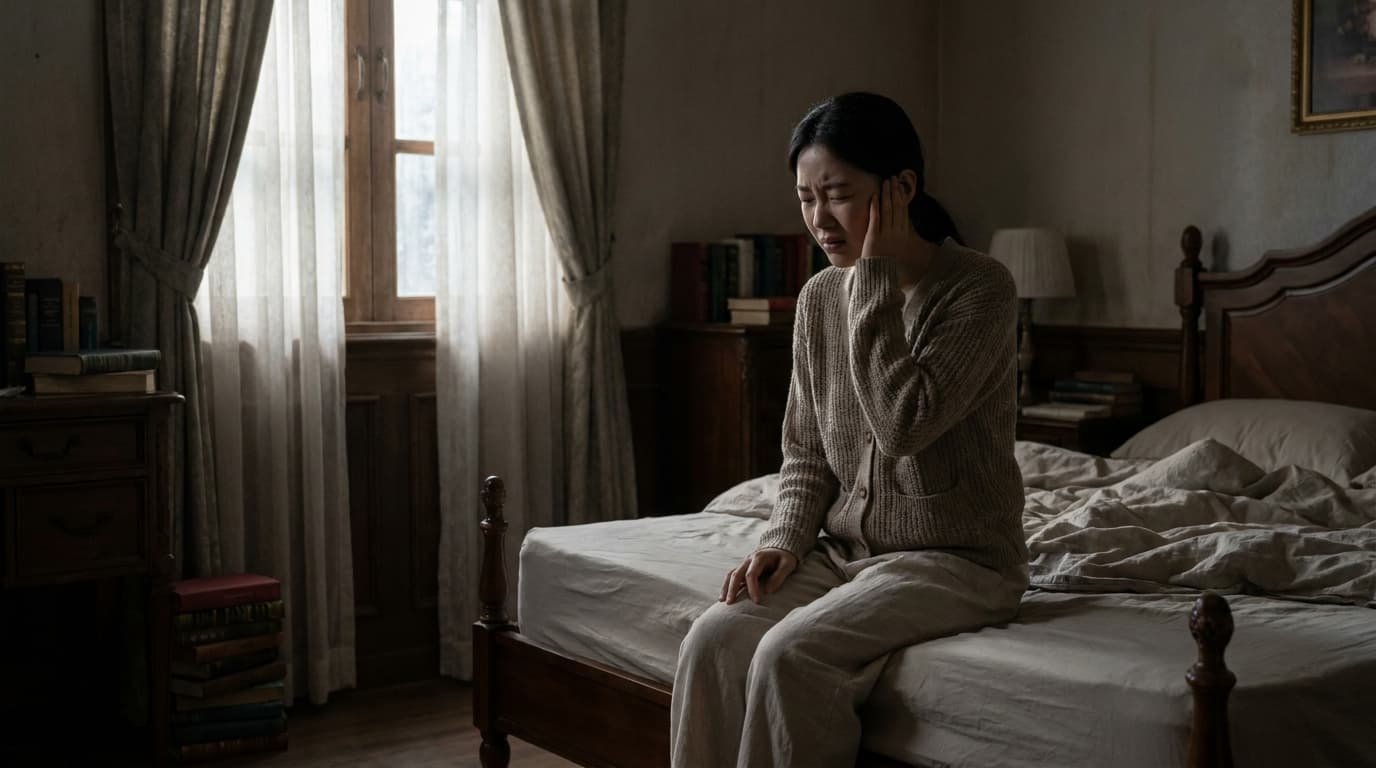
Have you ever experienced discomfort due to a buzzing, ringing, or rushing sound in your ears during quiet moments, suddenly or over a long period? Tinnitus, which feels especially vivid when lying in bed at night, is often not just an ear problem. Many people complaining that "there is a ringing in my ears when it is quiet" suffer greatly in their daily lives due to these symptoms. Beyond sleepless nights, concentration decline and sensitivity can severely diminish quality of life.
💡 [Key Answer] Top 3 most common causes of "there is a ringing in my ears when it is quiet": ① Autonomic nervous system imbalance / ② Brain function decline / ③ Excessive brain fatigue Dalimchae Korean Medicine Clinic approaches this with autonomic stabilization treatment, restoring the balance of the brain and nervous system to solve the root cause of tinnitus.
Why Does Ringing Happen When It Is Quiet Is It Merely an Ear Problem?
Sounds in the ear are important signals sent by our body. While tinnitus is easily thought of as a hearing organ problem, it often stems from complex issues within our body, especially imbalances in the brain and autonomic nervous system. Tinnitus, the phenomenon where the brain perceives sound even when there is no external noise, is particularly noticeable in quiet environments. The brain tends to prioritize important information while automatically processing repetitive or everyday sounds; when tinnitus repeats, the brain continues recognizing it as an important sound, worsening symptoms.
Frequent stress, overwork, and lack of sleep break our body's autonomic balance. Autonomic nerves regulate vital bodily functions without our will; when sympathetic nerves activate excessively due to stress, the brain maintains an excited state. If persistent, brain fatigue accumulates, causing minute functional abnormalities in auditory pathways including the brainstem, leading to tinnitus.
Why Do Doctors Say "Normal" Yet Ringing Persists?
Many tinnitus patients feel frustrated after receiving a "normal" diagnosis from ENT exams. They are told nothing is wrong with their ears, yet the ringing continues and discomfort grows. This is because tinnitus is not merely a mechanical problem of the hearing organ. Subtle autonomic imbalances or brain function abnormalities—hard to catch with modern medical tests—are frequently hidden causes of tinnitus.
A 2013 study published in Evid Based Complement Alternat Med revealed the connection between autonomic status and Korean medicine treatment in tinnitus patients. Comparing heart rate variability (HRV) in 40 tinnitus patients (19 acute, 21 chronic) and 40 healthy controls, researchers confirmed that high-frequency (HF) components and total power (TP) significantly decreased, while the low-to-high frequency ratio (LF/HF ratio) significantly increased in tinnitus patients (p < 0.05). This suggests tinnitus patients are in an 'autonomic imbalance' state with reduced parasympathetic activity and hyperactive sympathetic tone. The researchers concluded this provides evidence that Korean medicine treatments like acupuncture or qigong can regulate cardiac autonomic function and positively influence tinnitus.
Furthermore, a 2025 paper in World Journal of Clinical Cases reported a case applying integrated Korean medicine treatment to a chronic tinnitus patient unresponsive to conventional therapy. A 35-year-old female suffering from left-sided tinnitus for over 10 years received 11 sessions of Korean medicine including acupuncture, Chuna therapy, and temporomandibular joint balancing; her Tinnitus Handicap Inventory (THI) score dropped from 68 to 0, headaches and neck pain also improved, and improvements were maintained at 2-month follow-up. Researchers emphasized individual customized integrated Korean medicine is effective in improving quality of life for chronic tinnitus patients. Based on these data, Dalimchae Korean Medicine Clinic focuses on treating the root causes: autonomic imbalance and brain function decline.
How Does Dalimchae Diagnose and Treat Tinnitus?
At Dalimchae Korean Medicine Clinic Songdo Branch, we understand tinnitus not as mere noise, but as a warning light sent by bodily imbalance. Symptoms like "ringing in my ears when it is quiet" often indicate the brain is overheated and unable to rest properly.
We find the root cause of tinnitus in autonomic stabilization. When autonomic balance breaks, the brain cannot rest and maintains excessive arousal. This affects minute blood circulation and neural transmission around the ears, inducing or worsening tinnitus. In Korean medicine, this is explained as 'Su-seung-hwa-gang' (water rises, fire descends) imbalance, where heat rises to the head and the lower body grows cold, intensifying neural overload.
Dalimchae's autonomic stabilization treatment focuses on extinguishing overheated neural fires and creating an environment where the brain can comfortably rest. Customized herbal prescriptions lower heart heat and relax tense bodies and minds caused by stress. Acupuncture improves blood circulation around the ears, regulates autonomic function, and stimulates the cranial nervous system to restore hearing function. Chuna or pharmacopuncture may be combined to correct cervical and temporomandibular imbalances affecting autonomic nerves. Such comprehensive treatment improves not only tinnitus but also associated headaches, dizziness, and insomnia, restoring overall bodily balance.
Tinnitus: Could It Be Due to Autonomic Imbalance? (Tinnitus Checklist)
Check how many apply to you:
- Frequently hearing buzzing, ringing, or rushing sounds in the ears.
- Tinnitus feels louder in quiet places or when going to bed.
- Difficulty falling asleep or frequent waking due to tinnitus.
- Tinnitus tends to worsen with stress.
- Frequent neck/shoulder stiffness accompanied by headaches.
- Easily startled or sensitive to minor sounds.
- Frequent digestive discomfort or poor digestion.
- Frequent fatigue and slow recovery.
- Anxiety or nervousness without special reason.
Diagnosis Criteria:
- 3+ items: High possibility of autonomic imbalance tinnitus. Consider proactive Korean medicine treatment.
- 5+ items: Severe autonomic overload. We recommend visiting Dalimchae Korean Medicine Clinic Songdo Branch for precise diagnosis and treatment.
Q. How long does tinnitus treatment take?
A. Duration varies depending on duration, cause, accompanying symptoms, and constitution. Steady treatment and lifestyle improvements bring symptom alleviation and recovery, and managing chronic tinnitus significantly improves quality of life.
Q. Can associated headaches and dizziness be treated together?
A. Yes, tinnitus is closely linked to autonomic imbalance and brain fatigue, often accompanying headaches, dizziness, and insomnia. Dalimchae Korean Medicine Clinic Songdo Branch restores autonomic balance to improve tinnitus and associated symptoms together.
Q. Is it tinnitus if ringing occurs only in quiet places?
A. Yes, hearing sounds only in quiet environments is a common characteristic of tinnitus. As external noise disappears, the brain focuses more on minute internal sound signals, perceiving tinnitus more vividly. Such symptoms can be diagnosed and treated as tinnitus.
Tinnitus is not a problem solved by endurance. You no longer need to ignore the bodily signals sent for so long. Approach the right direction and your body responds faster than you think. Bring your current symptoms as they are. Dalimchae Korean Medicine Clinic will find the cause together with you.
Life blooms here. Herbal medicine is Dalimchae Korean Medicine Clinic. Check symptoms similar to yours first via Dalimchae homepage AI consultation!
Medical Supervision | Brain & Autonomic Practice Standard: Dalimchae Korean Medicine Clinic Songdo Branch, Korean Medicine Doctor Oh Hyunmin (Tinnitus Column)