
Hello. This is Dalimchae Clinic.
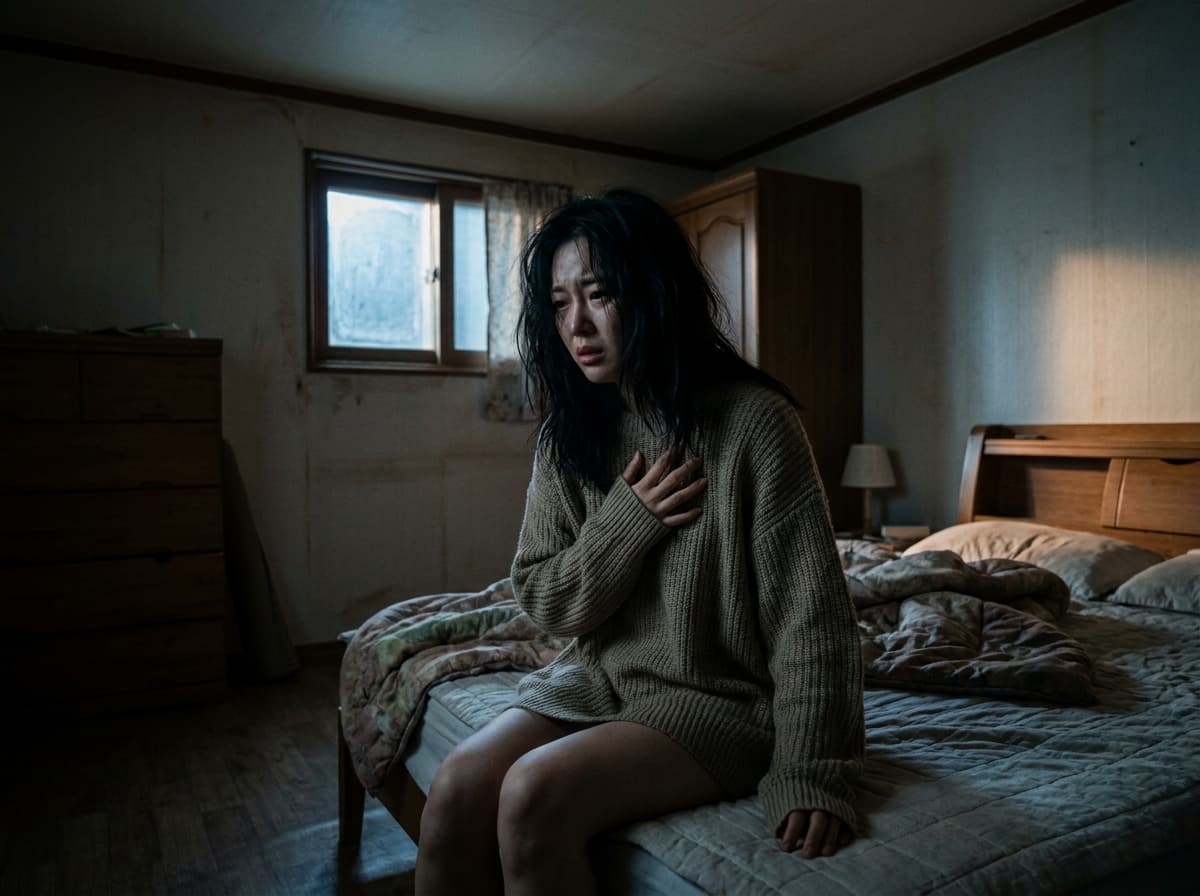
My heart suddenly pounds. Could it be a heart problem?
Have you ever experienced your heart suddenly pounding and your chest feeling tight for no apparent reason? Sometimes, even when you're resting, your heart beats intensely, or late at night, when you lie down to sleep, your heart races, making it difficult to fall asleep. These symptoms are among the most common discomforts reported by people who visit a clinic, complaining, "My heart suddenly pounds." Many people worry, "Could there be a problem with my heart?" and undergo cardiac examinations, only to feel bewildered by a "normal" result. However, the discomfort does not disappear just because there is no abnormality found during the examination. Instead, the anxiety of not knowing the cause may only grow.
💡 (Key Answer) The 3 most common causes of "my heart suddenly pounds" symptoms: ① Extreme stress and overwork / ② Autonomic nervous system imbalance / ③ Anxiety and panic symptoms Dalimchae Clinic focuses on relaxing the tension in the brain and body to restore the balance of the disrupted autonomic nerves, allowing the heart to beat comfortably.
If your heart pounds for no reason, should you suspect Autonomic Dysfunction?
Yes, that's right. If your heart pounds and your chest feels tight without any specific cause, you may suspect Autonomic Dysfunction. Our body's autonomic nerves are a crucial system that automatically regulates essential functions for life, such as heart rate, breathing, digestion, and body temperature, without conscious effort. It consists of two branches: the sympathetic nervous system and the parasympathetic nervous system. The sympathetic nervous system tenses and activates our body, while the parasympathetic nervous system relaxes and stabilizes it. When this balance is disrupted due to stress, overwork, or lack of sleep, the body's regulatory functions may malfunction, much like the brake and accelerator of a car being pressed simultaneously.
In particular, an imbalance of the autonomic nerves related to the heart can directly affect heart rate, causing palpitations or tightness similar to arrhythmia. If symptoms persist despite no abnormalities found in the heart during examinations, it is highly likely to be a physical symptom caused by Autonomic Dysfunction.
Is Korean medicine effective for heart palpitations caused by autonomic imbalance?
Yes, Korean medicine offers effective treatments for symptoms such as heart palpitations, anxiety, and panic caused by autonomic imbalance. Recent clinical studies have also published results indicating that Korean medicine treatments have a positive effect on regulating the autonomic nervous system.
A study by a Seoul National University research team published in the Journal of Clinical Medicine in 2021 reported a significant improvement in Heart Rate Variability (HRV) indicators after 8 weeks of combined herbal medicine and acupuncture treatment for 60 patients with stress-induced Autonomic Dysfunction. Specifically, RMSSD (Root Mean Square of Successive Differences), an indicator of parasympathetic nerve activity, increased by 53% from an average of 25.3ms before treatment to an average of 38.7ms after treatment (p<0.01). The LF/HF ratio, an indicator of sympathetic nerve overactivity, decreased from an average of 3.8 before treatment to 2.1 after treatment (p<0.01), statistically confirming the recovery of autonomic balance. The researchers concluded that Korean medicine treatment contributes to physical and mental stability through autonomic nervous system regulation.
Furthermore, a paper by a Kyung Hee University College of Korean Medicine research team published in the Complementary Therapies in Medicine journal in 2019 presented the results of a clinical study that applied a combined therapy of Korean herbal medicine and acupuncture to 75 patients complaining of anxiety and heart palpitations due to chronic stress for 6 weeks. In this study, patients' Hamilton Anxiety Rating Scale (HARS) scores decreased by 52.5% from an average of 21.5 points before treatment to 10.2 points after treatment (p<0.001), and the frequency and intensity of heart palpitations also significantly decreased. The researchers suggested that Korean medicine treatment can effectively alleviate physical discomfort related to anxiety symptoms by regulating stress responses and stabilizing the autonomic nervous system.
Based on this data, Dalimchae Clinic Songdo Branch does not merely suppress symptoms but fundamentally restores the balance of the autonomic nervous system to help prevent the recurrence of heart palpitations and anxiety symptoms.
How is Dalimchae Clinic's Autonomic Nerve Stabilization treatment conducted?
Dalimchae Clinic focuses on the fact that the brain cannot rest when the balance of the autonomic nerves is disrupted. This is because when our brain is continuously exposed to stress, it functions like an overheated engine, which manifests as various symptoms such as heart palpitations, Headache, Dizziness, and Insomnia.
Dalimchae Clinic Songdo Branch's Autonomic Nerve Stabilization treatment focuses on calming the overly excited sympathetic nervous system and activating the function of the weakened parasympathetic nervous system to create an environment where the brain and body can rest comfortably. In Korean medicine, this is called 'Su-Seung-Hwa-Gang' (water rising, fire descending), which emphasizes a harmonious state where hot energy descends and cold energy ascends. In other words, the goal is to relieve the heat and tension concentrated in the head and warm the abdomen, hands, and feet to improve overall circulation.
To achieve this, customized herbal medicines are prescribed according to the individual's constitution and symptoms to reduce the overload on the nervous system, and the current state of the autonomic nervous system is accurately diagnosed through Heart Rate Variability tests. In addition, acupuncture, moxibustion, and pharmacopuncture treatments are combined to stimulate specific acupoints, quickly restoring autonomic balance and building the body's self-healing power. Many people seeking a Songdo Autonomic Dysfunction Korean medicine clinic are regaining a comfortable daily life through these complex treatments.
My heart suddenly pounds! Autonomic Dysfunction Self-Diagnosis Checklist
Check if you have any of the following symptoms.
- My chest occasionally or frequently pounds or feels tight for no reason.
- It's hard to fall asleep at night, and my heart feels more noticeable when I lie down to sleep.
- I have poor digestion, and abdominal pain, diarrhea, or constipation recurs.
- My hands and feet are cold, or I often feel a sensation of heat in my body.
- Headache, Dizziness, and Tinnitus symptoms are often accompanied.
- My neck or shoulders are often stiff, and I have severe muscle pain.
- I feel anxious or easily agitated over minor things.
- I am often tired, and fatigue does not go away even after resting.
- My emotional fluctuations are severe for no particular reason.
- I sometimes feel suddenly breathless or suffocated.
Judgment Criteria:
- If 3 or more apply: Suspected autonomic imbalance. Consider Dalimchae Clinic Songdo Branch's autonomic treatment.
- If 5 or more apply: High possibility of Autonomic Dysfunction. It is recommended to consult a specialist to start an accurate diagnosis and treatment.
Q. How long does it take for symptoms of sudden heart palpitations to improve? A. While there is significant individual variation, Dalimchae Clinic's treatment typically aims for symptom improvement and Autonomic Nerve Stabilization within approximately 3 months. Initially, frequent visits help stabilize symptoms quickly, and then the intervals are extended to focus on preventing recurrence.
Q. Can panic symptoms accompanied by heart palpitations also be treated with Korean medicine? A. Yes, anxiety and panic symptoms accompanied by heart palpitations can be sufficiently improved with Korean medicine treatment. Herbal medicine and acupuncture treatment help calm excessive anxiety reactions and restore autonomic balance, reducing the frequency and intensity of panic attacks.
Q. Can sudden heart palpitations get better naturally? A. Mild symptoms caused by temporary stress may improve naturally with sufficient rest. However, if symptoms recur or interfere with daily life, it may indicate a worsening autonomic imbalance, so active treatment should be considered.
Q. If I'm looking for a Korean medicine clinic in Songdo for heart palpitations, what should I consider? A. When choosing a Songdo Korean medicine clinic for heart palpitations, it is important to check if autonomic nerve examinations and customized prescriptions are available, and if medical staff with sufficient clinical experience are present. Dalimchae Clinic Songdo Branch provides specialized care for autonomic nerves.
Sudden heart palpitations are not a problem that can be endured and resolved. You no longer have to ignore the signals your body has been sending for a long time. When approached in the right way, the body responds surprisingly quickly. Bring the symptoms you are experiencing as they are. At Dalimchae Clinic Songdo Branch, we will find the cause together.
Where life blossoms. For herbal medicine, it's Dalimchae Korean Medicine Clinic. Check symptoms similar to yours first with Dalimchae Clinic's website AI consultation!
This article is health information compiled by the Dalimchae medical team, based on frequently asked questions in the clinic. Medical Review | Oh Hyun-min, Korean Medicine Doctor at Dalimchae Clinic Songdo Branch, Brain & Autonomic Nerve Treatment Standards (Autonomic Dysfunction Column)