
Hello, this is Dalimchae Oriental Clinic.
Recurring Miscarriages, What is the Cause? Solutions for Recurrent Miscarriage Without Losing Hope
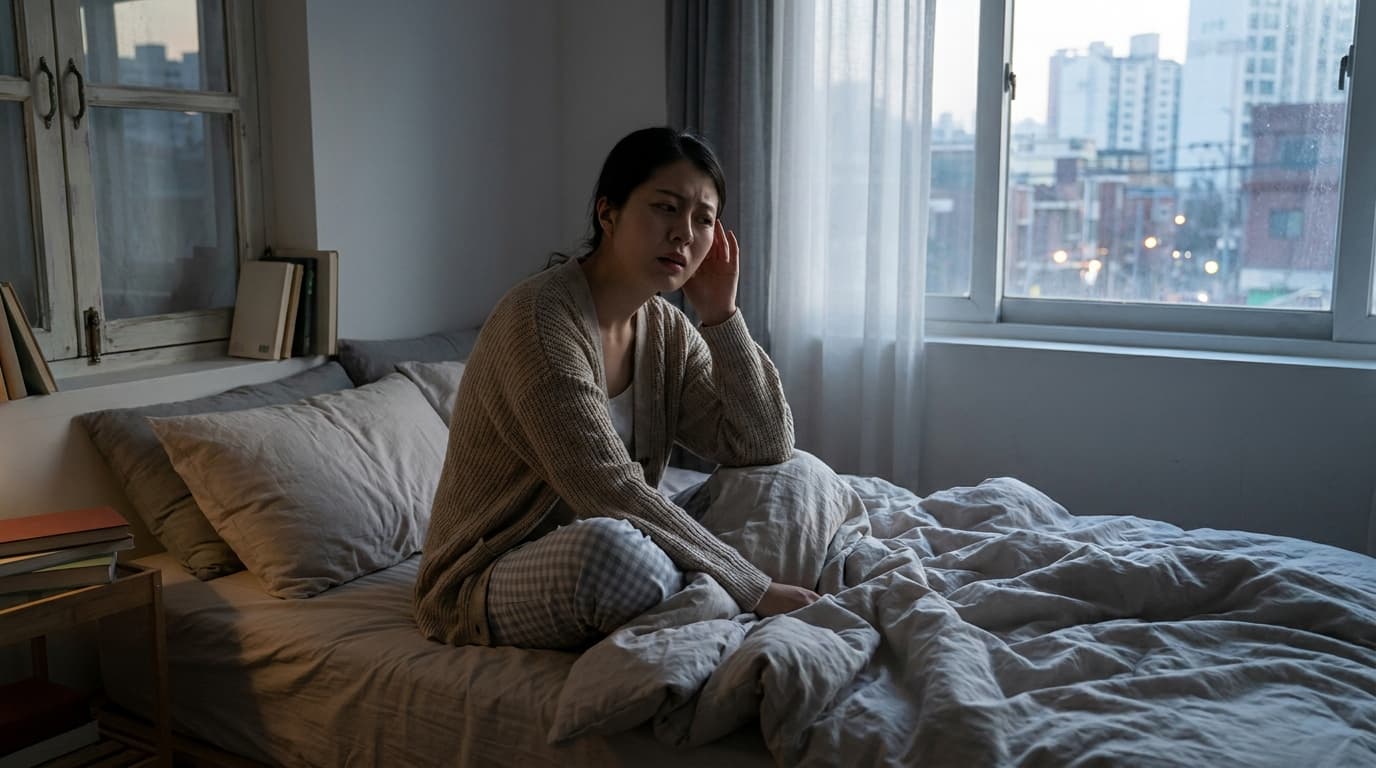
"Will this time be okay...?" When a longed-for baby leaves your side yet again, experiencing recurrent miscarriages brings physical pain as well as deep despair and self-blame: "Is there something wrong with me?" Many people struggle with recurrent miscarriages of unknown causes. However, do not give up. With the right perspective and approach, you can successfully prepare for a healthy pregnancy and achieve a successful childbirth.
💡 Core Answer Top 3 most common causes of recurrent miscarriage: ① Unstable uterine environment / ② Immunological abnormalities / ③ Chromosomal and hormonal imbalance Dalimchae Oriental Clinic resolves the root causes of miscarriage through constitutional improvement and supports maintaining a healthy pregnancy.
Recurrent miscarriage generally refers to experiencing two or more consecutive spontaneous miscarriages before 20 weeks of gestation. In many cases, gynecological examinations fail to find a specific cause, leading to a diagnosis of 'unexplained'. However, in Oriental medicine, such situations are not simply dismissed as 'bad luck'. We view them as the result of complex factors affecting our overall health and uterine environment. The main causes are as follows:
Q. Does an unhealthy uterine environment affect miscarriage? A. The uterus is the first nest where a baby must grow. If this uterine environment is unstable or fails to function properly, it becomes difficult for the baby to implant or grow, leading to miscarriage. This includes cases where the endometrium is too thin, blood circulation is poor resulting in insufficient nutritional supply, or structural problems such as uterine fibroids or adenomyosis exist. In particular, blood circulation within the uterus has a decisive impact on embryo implantation and early development.
Q. Can immune imbalance induce miscarriage? A. Our body's immune system plays a crucial role in defending against external invaders, but sometimes it hinders the immunological tolerance necessary to maintain pregnancy. For example, if autoimmune diseases are present or the activity of natural killer (NK) cells abnormally increases, a situation may occur where the baby is recognized as an external invader and attacked. This is a major cause that hinders embryo implantation or induces immunological rejection after implantation, leading to miscarriage.
In a study published on April 22, 2025, in the journal eLife, Liu et al. explored the mechanism of action of Traditional Chinese Medicine (TCM) prescriptions in 177 patients with recurrent miscarriage accompanied by insulin resistance. Analyzing data from 640 prescriptions, this study molecularly revealed that specific herbs contribute to regulating inflammatory responses associated with insulin resistance and improving the intrauterine environment. The researchers concluded that TCM can lower the risk of recurrent miscarriage by improving metabolic problems such as insulin resistance and related immunological abnormalities. While this is a study on traditional Chinese medicine, it illustrates the impact of metabolic issues and immune imbalances on recurrent miscarriage and suggests that Oriental medical treatment can play a vital role in restoring the balance of the uterine environment and immune system. At Dalimchae Oriental Clinic, we focus on identifying the root causes of miscarriage from these immunological and metabolic perspectives and creating a healthy uterine environment through constitutional improvement.
Constitutional Improvement at Dalimchae Oriental Clinic: Creating a Body That Does Not Ignite Again
At the Incheon branch of Dalimchae Oriental Clinic, for those experiencing the pain of recurrent miscarriages, we provide constitutional improvement treatment to create a healthy body so that miscarriages never occur again, going beyond simply suppressing symptoms. The goal is not just to extinguish symptoms, but to create a body where they do not ignite again. This focuses on restoring the uterine environment and systemic health while balancing the immune system.
Oriental medical treatment creates a healthy implantation environment through improved blood circulation, strengthened endometrium, and immune regulation. In particular, Dalimchae Oriental Clinic promotes autonomic nervous system stability and restores the balance of the Gut-Brain Axis to elevate overall physical condition. Restoring fundamental bodily functions in this way provides the strength to maintain pregnancy independently without being swayed by minor external stimuli. This process is not merely attempting the next pregnancy, but building a body that can stably nurture a healthy child.
Q. Does herbal treatment after a miscarriage help the next pregnancy? A. After a miscarriage, the body undergoes major changes and easily becomes weakened. Without proper postpartum care and recovery, it can negatively impact the next pregnancy. In Oriental medicine, postpartum care involves removing blood stasis and supplementing qi and blood to aid uterine recovery and lay a healthy foundation for the next pregnancy.
A study published on August 29, 2025, in the Journal of Korean Medical Classics titled "Retrospective Analysis on Natural Pregnancy Progress in Patients Receiving Herbal Medicine Treatment After Miscarriage" by the research team led by Sang-young Seo at Kyung Hee University demonstrates the meaningful effects of herbal medicine treatment after miscarriage. This study followed 15 patients who visited Kyung Hee University Korean Medicine Hospital between January 2021 and December 2023, received herbal treatment after miscarriage, and successfully achieved natural pregnancy and childbirth. The results showed that over 60% of participants, with an average age of 34.8 years, were of advanced maternal age (35 or older), and 26.7% had experienced two or more miscarriages. Notably, all participants successfully achieved natural pregnancy and gave birth to full-term or near-term infants after herbal treatment. The researchers concluded that such results suggest herbal treatment can positively influence reproductive health recovery after miscarriage, especially contributing to the restoration of reproductive health in women with prior miscarriage experience.
Thus, the Incheon branch of Dalimchae Oriental Clinic focuses not only on postpartum recovery after miscarriage but also on constitutional improvement for the next pregnancy, helping patients successfully maintain healthy pregnancies through to childbirth. If you are struggling with difficulties from recurrent miscarriage, find a fundamental solution together with Dalimchae Oriental Clinic, Incheon Fertility Oriental Clinic.
Are you also in the high-risk group for recurrent miscarriage? Self-Checklist
If 3 or more of the following apply to you, it may be a warning sign of recurrent miscarriage:
- ① Experienced 2 or more spontaneous miscarriages.
- ② Irregular menstrual cycles or severe menstrual cramps.
- ③ Cold hands and feet, and frequently chilled lower abdomen.
- ④ High stress levels or suffering from chronic fatigue.
- ⑤ Diagnosed with uterine-related conditions such as polycystic ovary syndrome or uterine fibroids.
- ⑥ Experience of infertility where pregnancy does not occur easily without special cause.
- ⑦ Feel that your baseline immunity is weak.
- ⑧ Frequent swelling or numbness in the body due to poor blood circulation.
Judgment Criteria:
- 3 or more apply → Suspicion of recurrent miscarriage risk → Uterine and systemic health review needed
- 5 or more apply → Immediate expert consultation and precise clinical evaluation recommended
FAQ: Frequently Asked Questions about Recurrent Miscarriage
Q. How long does recurrent miscarriage treatment take? A. Treatment duration for recurrent miscarriage varies depending on individual constitution, miscarriage causes, and health status. Generally, consistent treatment and management for at least 3 to 6 months are required, and taking sufficient time to create a healthy uterine environment and improve constitution is important.
Q. Can recurrent miscarriage be treated with Oriental medicine? A. Yes, Oriental medicine comprehensively diagnoses various causes of recurrent miscarriage (uterine environment, immune imbalance, qi and blood deficiency, etc.) and helps strengthen uterine function and restore systemic health through personalized herbal prescriptions, acupuncture, and moxibustion treatments to support successful pregnancy maintenance.
Q. Can I try to get pregnant immediately after a miscarriage? A. Sufficient recovery period is needed after a miscarriage. Generally, it is recommended to recover the body for about 3 to 6 months and create a healthy uterine environment before attempting the next pregnancy. During this period, receiving Oriental medical treatment to aid recovery is beneficial.
Q. I feel unwell after a miscarriage similar to postpartum syndrome (sansupung), can this be treated together? A. Yes, postpartum care after a miscarriage is as important as postpartum care after childbirth. Symptoms similar to sansupung appearing after miscarriage (joint pain, chills, fatigue, etc.) can be effectively improved through Oriental medical treatment by removing blood stasis and supplementing qi and blood.
Recurrent miscarriage is not a problem solved by enduring. You no longer have to ignore the signals your body has been sending for a long time. Approaching in the right way brings faster bodily responses than you think. Bring your current symptoms as they are. We will find the cause together at Dalimchae Oriental Clinic.
A place where life blossoms. Herbal medicine is Dalimchae Oriental Clinic. Check your symptoms first via AI consultation on the Dalimchae Oriental Clinic website!
This health information was compiled together by Dalimchae medical staff based on frequent questions in the treatment room. Medical Supervision | Incheon Branch of Dalimchae Oriental Clinic, Oriental Medical Doctor Ji-hong Min (Recurrent Miscarriage Column)