
안녕하세요. 달임채한의원입니다.
If You Do Not Care for Your Body After Miscarriage: Chills and Aches Like Postpartum Wind, Is It Okay?
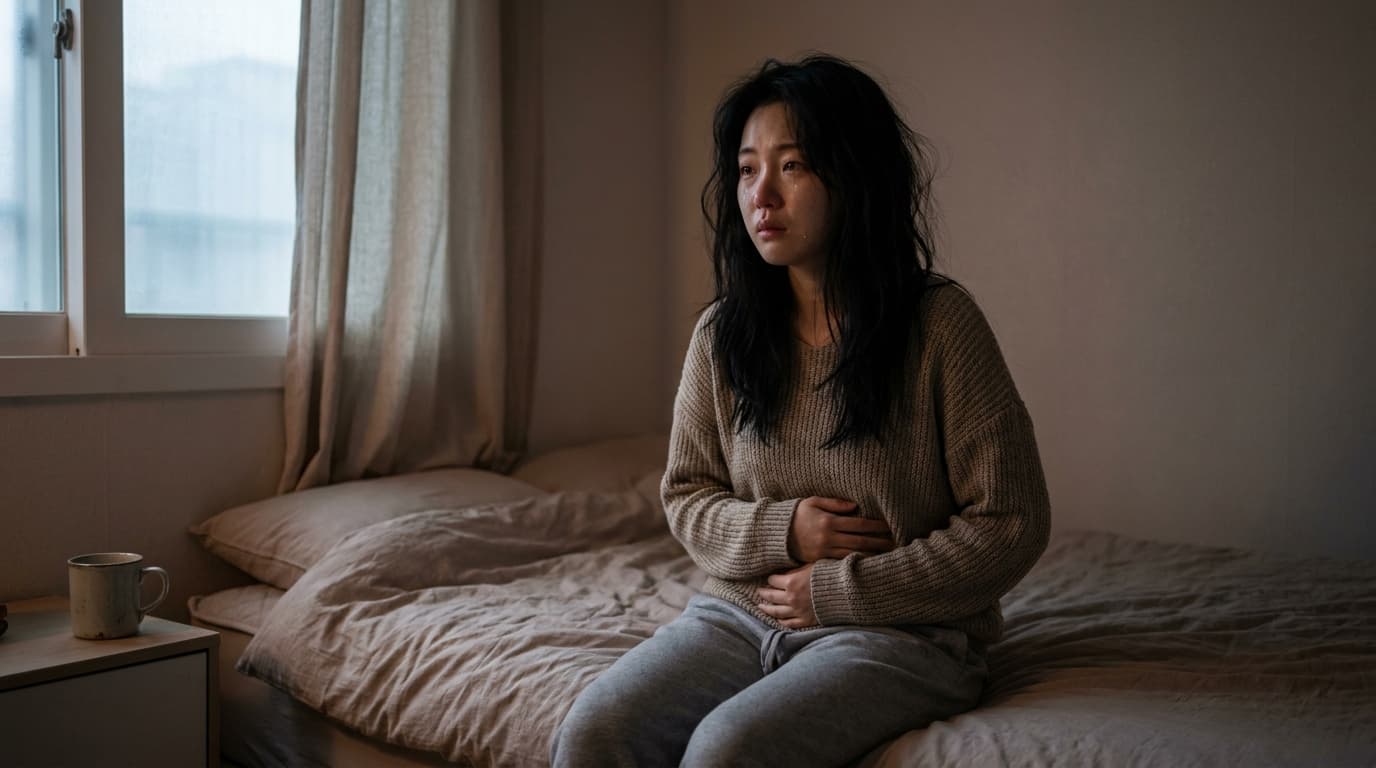
When the heart waiting for a beloved baby is suddenly brought to a halt by an unexpected miscarriage, a great sense of loss and confusion rushes over both body and mind. Before grief can even be fully processed, worries naturally follow whether the body might be ruined like postpartum wind if postpartum care is neglected after a miscarriage. Called a "small birth," miscarriage leaves a huge burden on our body, and if not properly recovered, it can cause suffering from aftereffects for a long time. Listening to your body's signals and recovering in the right way is the first step toward a healthy new beginning.
💡 [Key Answer] The 3 most common symptoms when postpartum care is neglected after a miscarriage: ① Chills and body aches resembling postpartum wind / ② Extreme fatigue and lethargy / ③ Irregular menstruation and decreased uterine function Dalimchae Korean Medicine Clinic restores the balance of damaged uteruses and collapsed Qi and blood through constitutional improvement treatment, preparing for a healthy next pregnancy and preventing miscarriage aftereffects.
Why is Postpartum Care After Miscarriage Said to Be More Important Than Childbirth?
Miscarriage goes beyond the mere cessation of pregnancy, bringing significant physical changes and trauma. In Oriental medicine, miscarriage was called "bansan (half birth)" or "sosan (small birth)," consuming as much energy and leaving as many changes on the body as childbirth. In particular, Donguibogam emphasized: "Normal childbirth is like a chestnut ripening and the burst opening naturally, but miscarriage is like damaging an unripe chestnut burr and extracting the chestnut, which is greater in harm to the female reproductive organs and requires much better care and treatment than childbirth."
During a miscarriage, the endometrium can be damaged, and residual waste products called "stasis blood (Eohyeol)" remaining in the uterus can cause inflammation or adhesions. In addition, rapid hormonal changes and psychological stress disrupt the balance of the autonomic nervous system, leading to a decline in overall physical condition. For these reasons, postpartum care after a miscarriage is a very important process both for healthily preparing for the next pregnancy and for the quality of life thereafter.
Can Miscarriage Aftereffects Really Cause Full-Body Aches Like Postpartum Wind?
Yes, absolutely. Neglecting postpartum care after a miscarriage can lead to symptoms similar to "postpartum wind" just like after childbirth. Postpartum wind typically manifests as chills all over the body, aching bone joints, and chilly joints, which can also appear after a miscarriage. Furthermore, it can lead to persistent cold sweats (dohan증), infertility due to endometrial damage, and systemic diseases due to decreased immunity. Particularly in cases of D&C (dilation and curettage) surgery, there is a risk that the endometrium becomes weak or scarred with adhesions, which can cause bleeding, inflammation, and adversely affect the next pregnancy at worst.
These miscarriage aftereffects occur when the body's Qi and blood (氣血) become deficient and circulation stagnates. Qi and blood represent the body's life energy and nutrient substances; when rapidly consumed and blocked due to miscarriage, various pains and functional declines appear. When the body's recovery capacity is lowered, it reacts sensitively to small external stimuli, making symptoms feel much more severe.
What Makes Oriental Medicine Postpartum Care After Miscarriage Special?
Oriental medicine focuses on restoring the damaged uterus through postpartum care after a miscarriage, restoring the overall balance of the body, and laying a healthy foundation for the next pregnancy. In particular, it helps remove remaining stasis blood in the uterus (huoxue), replenish weakened Qi and blood (baowei), and strengthen uterine and ovarian functions (baogong) to create an implantation environment and prevent future miscarriages.
According to a paper published in the Journal of Korean Medicine Obstetrics and Gynecology in 2015, when 14 habitual miscarriage patients with a history of 3 to 8 miscarriages received Oriental medicine treatment (herbal medicine intake) for an average of 3 months, 16 deliveries were possible and all delivered healthy normal babies, showing a 120% success rate. Moreover, in another study where herbal medicine was administered to 68 pregnant women who miscarried two or more times consecutively, 58 patients (85.3%) among those who successfully became pregnant succeeded in giving birth, and the miscarriage rate significantly decreased from about 50% to 14.7%. These results suggest that Oriental medicine treatment can have a positive effect on increasing healthy delivery rates after miscarriage.
Additionally, in a multicenter observational study published in BMC Complementary and Alternative Medicine in 2019, applying herbal medicine and acupuncture for 4 months to 90 women with unexplained infertility resulted in 14.44% successfully becoming pregnant, among whom 53.85.3% (53.85%) maintained pregnancy for 12 weeks or more and delivered healthy babies (live birth rate 7.78%). This study showed no serious side effects were found during treatment, demonstrating that Oriental medicine treatment can be a safe and effective approach for infertility and pregnancy maintenance.
Based on these data, Dalimchae Korean Medicine Clinic Incheon Branch focuses on recovering the body exhausted by miscarriage not just through symptom alleviation, but through fundamental constitutional improvement. This is because it is important to boost the body's recovery capacity and help the uterus maintain a healthy environment on its own.
What is Different About Dalimchae Korean Medicine Clinic's 'Constitutional Improvement' Treatment?
Dalimchae Korean Medicine Clinic's constitutional improvement treatment aims not to 'turn off' symptoms by restoring the balance of the damaged uterus and collapsed Qi and blood after miscarriage, but to create a body where they do not turn back on. This goes beyond simply eliminating pain to reinforce the immunity and self-healing power of the entire body, creating a state where you can healthily prepare for the next pregnancy.
Tailored personalized herbal medicine is prescribed according to the individual constitution, cause of miscarriage, and current physical condition to remove stasis blood within the uterus and promote endometrial recovery. Medicinal herbs good for uterine health and vital energy recovery, such as deer antler (Nonguk), Chuanxiong (Cheongung), and Angelica (Danggui), assist Qi and blood circulation and enhance immunity, preventing postpartum wind, lethargy, and coldness that may follow miscarriage.
Furthermore, acupuncture and thermal treatments promote lower abdominal Qi and blood circulation and help discharge waste products around the uterus. These complex treatments normalize uterine function and positively influence ovarian function recovery, contributing to higher pregnancy success rates. Particularly for those experiencing habitual miscarriage or infertility, even more meticulous care is provided to lead to a healthy pregnancy. Many people seeking Incheon post-miscarriage Korean medicine clinics are recovering their health through this constitutional improvement treatment at Dalimchae Korean Medicine Clinic Incheon Branch.
Could My Body Also Be in Need of Care After Miscarriage?
Check your current physical condition through the following checklist.
Post-Miscarriage Care Self-Diagnosis Checklist:
- ( ) Chills all over the body and aching joints after miscarriage.
- ( ) Cold sweats at night and easily fatigued.
- ( ) Lower abdomen is cold, menstrual cramps worsened, or menstrual cycle became irregular.
- ( ) Depressed and severe mood swings for no apparent reason.
- ( ) Poor digestion, bloated stomach, frequent constipation or diarrhea.
- ( ) Frequent dizziness or headaches.
- ( ) Body swelling and large physical changes such as weight gain or loss.
- ( ) Difficulty sleeping deeply and feeling unrefreshed even after sleep.
Criteria:
- 3 or more items checked: High need for post-miscarriage care. Reviewing Oriental medicine treatment for uterine recovery and Qi-blood reinforcement is recommended.
- 5 or more items checked: Miscarriage aftereffects are likely already progressing. Immediate visit to Incheon Branch Korean medicine clinic for precise diagnosis and customized treatment is advised.
FAQ: Frequently Asked Questions About Post-Miscarriage Care
Q. When is the best time to start taking herbal medicine after a miscarriage? A. Taking herbal medicine right after a miscarriage is most effective. It helps quickly discharge remaining stasis blood and waste products in the uterus and recover damaged endometrium. Even in cases of D&C surgery, starting as soon as possible is recommended.
Q. How long does post-miscarriage care take? A. Usually, treatment for uterine recovery and Qi-blood replenishment after miscarriage lasts about 1 month, but it may vary depending on the individual's physical condition and miscarriage type. If planning the next pregnancy, having a sufficient body care period of at least 3 months is recommended.
Q. What aftereffects besides postpartum wind can occur after miscarriage? A. Besides postpartum wind, intrauterine adhesions, inflammation, menstrual irregularity, severe menstrual cramps, infertility, and psychological depression or anxiety can appear. All these symptoms can be managed through post-miscarriage care.
Q. Are there lifestyle habits to watch out for during post-miscarriage care? A. After a miscarriage, you should keep your body warm and avoid exposure to cold wind or cold water. Avoid lifting heavy objects or vigorous exercise, and taking sufficient rest and stability is important. Helping body recovery with regular and nutritious meals is also necessary.
Miscarriage is not a problem solved by enduring. You no longer need to turn away from the body signals sent for a long time. Approaching in the right direction makes the body react faster than you think. Bring the symptoms you are experiencing right now as they are. Dalimchae Korean Medicine Clinic Incheon Branch will find the cause together.
Where life blooms. Herbal medicine is definitely Dalimchae Korean Medicine Clinic. Check symptoms similar to yours first through Dalimchae Korean Medicine Clinic website AI consultation!
This health information was compiled together by Dalimchae medical staff based on questions frequently received in the clinic room. Medical Supervision | Women & Pregnancy Treatment Standards: Yang Yu-chan, Korean Medicine Doctor at Dalimchae Korean Medicine Clinic Incheon Branch (Post-Miscarriage Recovery Column)
#PostMiscarriageCare #PostpartumWind #UterineRecovery #ConstitutionalImprovement #IncheonPostMiscarriageClinic #IncheonKoreanMedicineClinic #OrientalTreatment #PostMiscarriageManagement Pregnancy & Postpartum - Infertility & Pregnancy Preparation