
안녕하세요. Dalimchae Korean Medicine Clinic.
Feeling Short of Breath on the Subway Could This Be Early Panic Disorder Finding Answers in Autonomic Balance
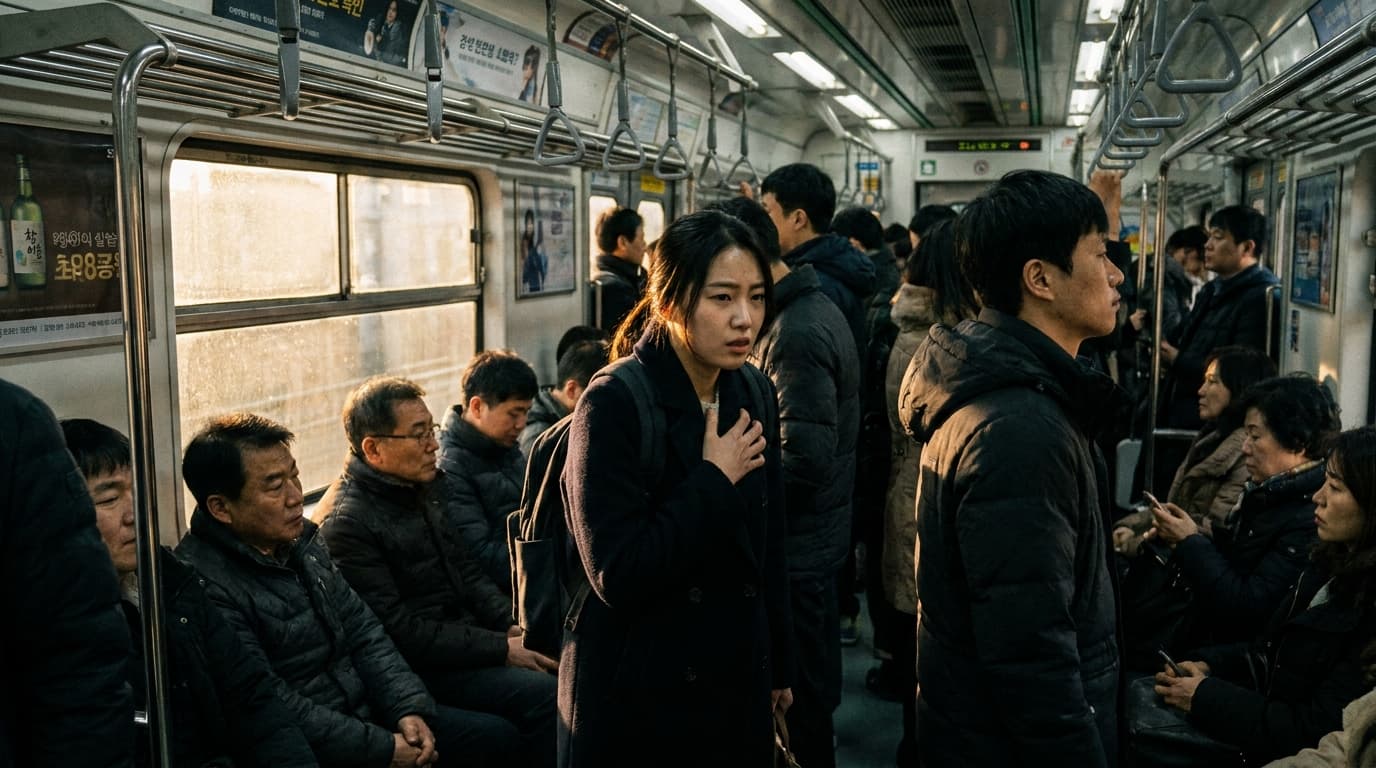
Have you ever experienced sudden difficulty breathing and a pounding heart in a narrow, enclosed space? Especially when such anxiety strikes in specific situations like subways or elevators, it is natural to want to avoid those situations next time. Many people visit Dalimchae Korean Medicine Clinic complaining, "I get short of breath just riding the subway." These symptoms can be a sign of autonomic nervous system problems such as panic disorder, going beyond simple stress.
💡 Key Answer Top 3 most common causes of the feeling of breathlessness on the subway: ① Autonomic nervous system imbalance caused by excessive stress / ② Hyperactivation of the brain amygdala and neurotransmitter disturbance / ③ Repetition of anticipatory anxiety and avoidance behavior toward specific situations. Dalimchae Korean Medicine Clinic calms the overheated brain and restores body balance through autonomic stabilization treatment.
Why Do Symptoms of Breathlessness Occur in the Subway?
Experiencing shortness of breath and surging anxiety in specific spaces like the subway can be a typical appearance of a panic attack. This is not simply a problem of being timid. Our body's autonomic nervous system plays an important role in unconsciously regulating vital activities, and when excessive stress or brain fatigue accumulates, the balance of this autonomic nervous system can collapse. In particular, when the sympathetic nervous system is excessively hyperactive, physical symptoms such as rapid heartbeat, shortness of breath, sweating, and dizziness appear.
Panic disorder is characterized by repetitive and unexpected panic attacks along with continuous worry about another attack occurring or distinct changes in behavior related to the attacks. Experiencing this in a hard-to-escape space like the subway can lead to a vicious cycle of developing fear toward that space itself (agoraphobia) and avoiding it. The amygdala in the brain reacts hypersensitively and sends danger signals, and neurotransmitter imbalances occur, which in turn lower the regulatory capacity of the autonomic nervous system and further intensify symptoms.
Can Korean Medicine Treatment Help with Panic Disorder?
In modern medicine, panic disorder is mainly managed through medication and cognitive behavioral therapy. However, many people feel frustrated due to concerns about medication dependency and side effects, or persistence of symptoms despite "normal" test results. In Korean medicine, panic disorder is viewed not simply as a psychological problem, but as a state where the overall balance of the body, especially harmony of the autonomic nervous system, is broken. It focuses on calming the overheated state of the body and fostering the power to regulate oneself.
According to a study published in PubMed Central (PMC) in 2024 by a research team at Sookmyung Women's University College of Pharmacy, when Korean medicine treatments (acupuncture, herbal medicine, psychotherapy, chuna therapy, aromatherapy, etc.) were administered for at least 4 weeks to 67 patients with anxiety disorders, anxiety (STAI X-1, STAI X-2, BAI all p<0.0001), depression (BDI-II, p<0.0001), and anger (AKI-K-I, AKI-K-O, p<0.05) symptoms significantly decreased. In addition, quality of life (QoL) also improved significantly in EQ-5D and EQ-VAS indicators (p<0.0001). The researchers concluded that Korean medicine treatment can improve clinical symptoms and quality of life in anxiety disorder patients. This supports the notion that the autonomic stabilization treatment pursued at Dalimchae Korean Medicine Clinic can positively impact the overall health recovery of anxiety disorder patients.
Furthermore, in a clinical case analysis paper on 2 patients with panic disorder published in the Journal of the Association of Korean Sanghan and Geumgwe Medical Science in 2012 by Director Noh Young-beom, notable results were observed. When 'Yeonggyegamjotang', an herbal medicine, was administered for 3 months to a female patient in her 30s who had suffered from panic disorder for 4 years and showed extreme anxiety (BAI 36 points), palpitations and anxiety symptoms improved within 15 days of treatment, and panic attack symptoms completely disappeared after 2 months. This study explains that Yeonggyegamjotang regulates sympathetic hyperactivity, improves unstable brain symptoms, and helps self-regulate autonomic nerves through functions regulating hypothalamic homeostasis. Likewise, at Dalimchae Korean Medicine Clinic Songdo Branch, we focus on restoring autonomic balance and creating an environment where the overheated brain can rest, providing practical help to those struggling with anxiety and panic.
Why Overheated Brains Need Autonomic Stabilization Treatment
"When the balance of the autonomic nervous system collapses, the brain cannot rest." Like a car with warning lights flashing, the brain is constantly placed in an overloaded state. Panic disorder and anxiety disorders are representative diseases caused by excessive hyperactivity of the brain and autonomic nervous system. Dalimchae Korean Medicine Clinic's autonomic stabilization treatment restores the functions of the brain and autonomic nervous system to help the body regain balance on its own. In Korean medicine, this is explained by the principle of 'Suseunghagang' (Water rises, fire descends), lowering excessive upward rising fire (hwa) and warming the lower part of the body to aid overall circulation.
Such treatment does not merely suppress symptoms, but manages the fundamental causes inducing anxiety so the brain functions stably. Many people visiting the Songdo panic disorder clinic often complain of other autonomic-related symptoms such as headaches, dizziness, insomnia, and chronic fatigue. Autonomic stabilization treatment comprehensively improves these related symptoms, aiming for whole-body health recovery.
Check Your Body's Autonomic Balance Right Now! (Panic Disorder Symptom Checklist)
If you repeatedly experience the feeling "I get short of breath just riding the subway" or correspond to many of the following items, it may be early panic disorder symptoms due to autonomic imbalance.
- Suddenly feeling your heart pound or feeling stuffy in your chest.
- Difficulty breathing or feeling like you are suffocating.
- Overwhelmed by intense terror as if you are going to die.
- Feeling dizzy, lightheaded, or about to faint.
- Numbness or tingling sensations in hands and feet.
- Body shaking or cold sweats flowing.
- Nausea or stomach discomfort.
- Surrounding environment feeling unreal or feeling like you are not yourself.
- Avoiding narrow or enclosed spaces such as subways, elevators, and airplanes.
- Continuing to feel anxious and worried that an attack will happen next time.
Criteria:
- 3 or more items: Suspected Autonomic Imbalance Stage -> Review Korean medicine consultation and complex treatment.
- 5 or more items: High Possibility of Panic Disorder Expression -> Immediate consultation with Dalimchae Korean Medicine Clinic Songdo Branch medical staff is recommended.
Frequently Asked Questions (FAQ) about Panic Disorder
Q. Can the symptom of breathlessness on the subway get better naturally? A. If it is a temporary stress response, it might improve naturally, but panic attacks have a characteristic of occurring unexpectedly and repeatedly. If symptoms persist or avoidance behavior toward specific situations appears, it is important to get help from an expert. Leaving it unattended can lead to chronic conditions or agoraphobia.
Q. How long does panic disorder treatment take? A. Treatment duration varies depending on individual symptom severity, onset duration, stress factors, and other variables. Generally, steady treatment and lifestyle improvement efforts are necessary to restore autonomic balance and give the body time to stabilize itself.
Q. Can panic disorder be treated without medication? A. Korean medicine treatment can be effective in balancing autonomic nerves and calming excessive brain excitement without medication. It can also be combined with Western medical treatment aiming for medication reduction if necessary. Dalimchae Korean Medicine Clinic presents the most suitable treatment plan tailored to each patient's condition.
Q. Along with anxiety and shortness of breath, I also have indigestion and headaches. Can they be treated together? A. Yes, panic disorder patients often complain of various physical symptoms such as indigestion, headaches, dizziness, and insomnia together. Since Dalimchae Korean Medicine Clinic's autonomic stabilization treatment restores balance across the entire autonomic nervous system, these related symptoms can also be improved together.
Signals from the body like "I get short of breath just riding the subway" are not problems solved by enduring. You no longer need to turn away from the body signals you have sent for a long time. Approaching in the right direction makes the body react faster than you think. Bring the symptoms you are currently experiencing as they are. Dalimchae Korean Medicine Clinic will help you find the causes together and regain peace of body and mind.
Where life blooms. Herbal medicine is Dalimchae Korean Medicine Clinic. Check symptoms similar to yours first through Dalimchae Korean Medicine Clinic website AI consultation!
This article is health information compiled together by Dalimchae medical staff based on questions frequently received in the clinic room. Medical Supervision | Brain & Autonomic Nervous System Treatment Standard, Dalimchae Korean Medicine Clinic Songdo Branch Korean Medicine Doctor Oh Hyunmin (Panic Disorder Column)