
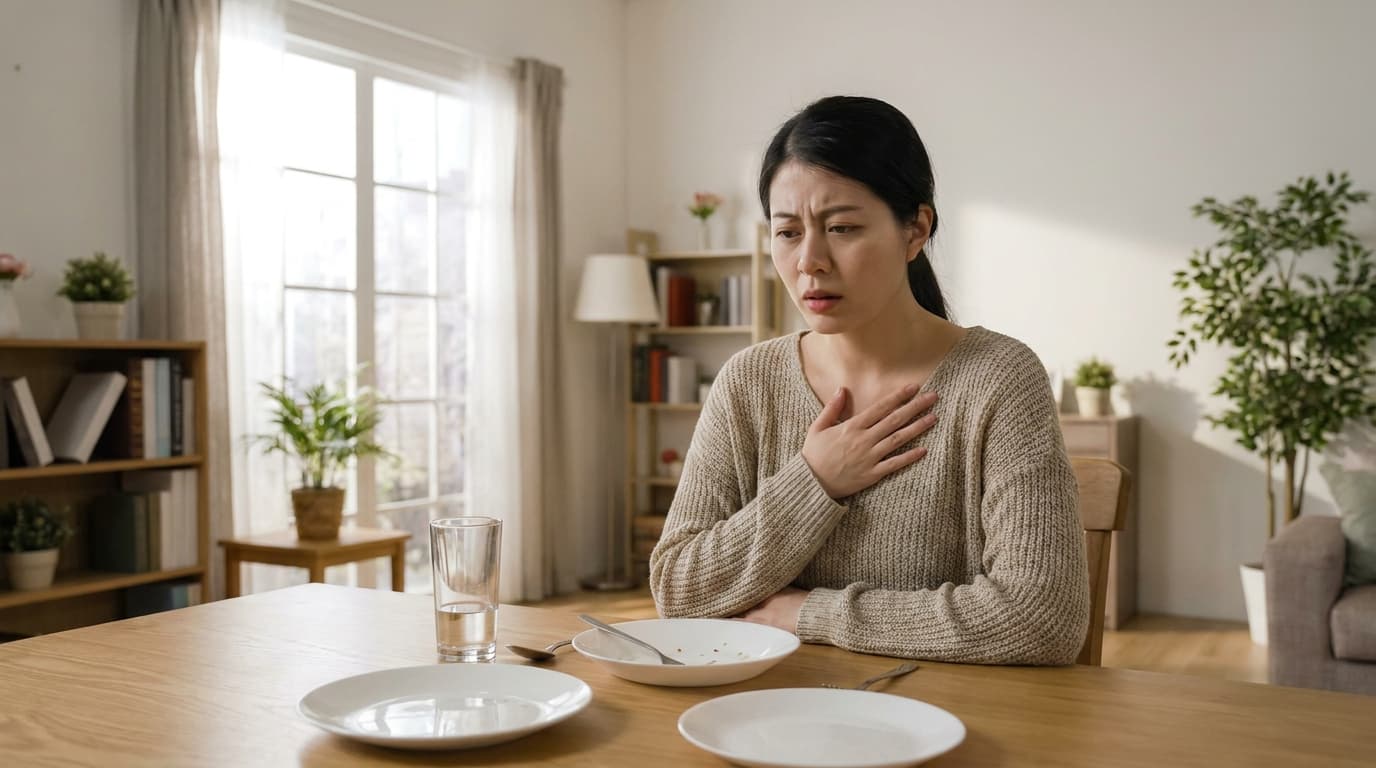
When You Are Stressed You Indigest Right After Eating Chronic Indigestion With Stuffy Stomach Time to Break Free Now
Hello, this is Dalimchae Korean Medicine Clinic. When you are stressed do you indigest right after eating? Have you ever experienced feeling bloated and having your solar plexus tightly blocked right after eating lunch before an important presentation, or suddenly not being able to digest while trying to have a comfortable meal after work and suffering all night? To modern people, stress has become an inseparable part of daily life, and the stomach is one of the places stress attacks first. In particular, a significant number of people who complain 'I indigest right after eating' often find that their stomach has lost its function due to psychological pressure or tension rather than simply overeating. Many people feel frustrated because tests show no special abnormalities, yet the discomfort does not disappear. **[Key Answer]** 3 most common causes of 'I indigest right after eating': ① Autonomic imbalance leading to decreased gastrointestinal motility / ② Hardening of the outer stomach wall (Damjeok) / ③ Deterioration of the gut environment. Dalimchae Korean Medicine Clinic corrects the gut-brain axis through **gut detoxification** treatment, restoring stomach function and building a body resilient to stress. ## Why do I indigest right after eating when I'm stressed? When our body experiences stress, it turns on a 'warning light' and switches to an emergency system. In this process, the brain sends signals to the autonomic nervous system, which directly affects stomach function. In stressful situations, the sympathetic nervous system is excessively activated, reducing blood supply to the stomach, unbalancing gastric acid secretion, and decreasing stomach peristalsis. In other words, the stomach and intestines are robbed of the energy they need to focus on digestion and cannot move properly. Because of this, even eating a small amount makes you feel tightly blocked, bloated, nauseous, and sometimes even accompanied by headaches or dizziness. ## Why does my stomach discomfort continue even though stomach tests are normal? Many people feel even more at a loss when they receive a diagnosis of 'normal' from endoscopy or ultrasound examinations. This is likely 'functional dyspepsia', a functional problem rather than a structural one, where the stomach fails to perform its role properly. In Korean medicine, this state is also explained as 'Damjeok (痰積)', where the outer stomach wall hardens and toxins accumulate, rather than just decreased function. Damjeok hinders stomach movement and inhibits digestive enzyme secretion, causing chronic indigestion. Since this is subtle change or functional abnormality in stomach tissue that is difficult to discover by endoscopy, treatment to restore the stomach's natural strength is necessary. ## How does Korean medicine view and treat chronic indigestion? The Korean medicine approach to chronic indigestion focuses on finding and solving the root cause beyond symptoms. In particular, Dalimchae Korean Medicine Clinic in Songdo views the 'Gut-Brain Axis' and 'autonomic balance', which are the core connecting links between stress and decreased stomach function, as important. The gut and brain interact constantly, and a healthy gut helps calm the brain and reduce stress responses. A study published in 2000 in the SCI-level international journal 『Evidence-Based Complementary and Alternative Medicine』 administered Bojungikgi-tang for 4 weeks to 120 patients with functional dyspepsia. As a result, the indigestion symptom index (NBD score) improved by 56.5% from a pre-treatment average of 23.5 points to 10.2 points post-treatment (p\<0.001), with statistically significant reductions particularly in abdominal fullness and upper abdominal pain. The researchers concluded that herbal medicine contributed to promoting stomach peristalsis and overall enhancing stomach function. Furthermore, another clinical study published in 2023 in 『Journal of Traditional Chinese Medicine』 applied a combination of herbal medicine, pharmacopuncture, and moxibustion for 8 weeks to 60 patients with chronic atrophic gastritis accompanied by Damjeok syndrome. The results showed that the gastrointestinal symptom improvement rate reached 75% compared to the control group (p\<0.01), and inflammatory indicators of the gastric mucosa also significantly decreased. The research team stated that this combined Korean medicine treatment is effective in improving stomach function related to Damjeok. Based on these data, Dalimchae Korean Medicine Clinic focuses on fostering the stomach's natural resilience beyond merely suppressing symptoms. We restore autonomic balance to reduce the stomach's hypersensitive response to stress, loosen the hardened outer stomach wall to activate stomach peristalsis, create a gut microbiota environment, and build a healthy digestive system through 'gut detoxification'. ## Principles of Gut Detoxification at Dalimchae Korean Medicine Clinic "Toxins accumulated in the gut wall travel through the blood to create systemic inflammation." Dalimchae Korean Medicine Clinic focuses on 'gut detoxification', one of the core causes of stress-induced indigestion. Gut detoxification goes beyond simply emptying the gut; it is the process of excreting waste and toxins accumulated in the gut wall and recovering damaged gut mucosa to restore healthy gut function. The gut is not only a digestive organ but is responsible of 70% of immunity and is closely connected to brain health, earning the title 'second brain'. When the gut barrier is damaged due to stress or poor diet, intestinal permeability increases (leaky gut syndrome), making it easy for undigested food particles or toxins to enter the bloodstream. These toxins cause systemic inflammation, affect the autonomic nervous system, degrade brain function, and ultimately deepen the vicious cycle like 'I indigest right after eating'. Dalimchae Korean Medicine in Songdo aims to help gut detoxification through customized herbal medicine prescriptions tailored to individual constitutions and symptoms, creating a healthy gut environment to enhance digestive function and overall health. ## Could I also have stress indigestion? Self-checklist If 3 or more of the following items apply to you, we recommend consulting the medical staff at Songdo branch of Dalimchae Korean Medicine Clinic, suspecting stress indigestion and Damjeok symptoms. If 5 or more apply, active treatment is necessary. * Frequently feel bloated and stuffy in the stomach after eating. * Tendency to digest worse and indigest when stressed or tense. * Solar plexus feels stuffy, heavy, and sometimes painful. * Frequently burp or have a lot of gas. * Often feel nauseous. * Irregular bowel movements, frequent diarrhea or constipation. * Severe fatigue, unrefreshed even after sleeping. * Accompanied by reflux esophagitis symptoms (foreign body sensation in throat, acid regurgitation). ## FAQ: Frequently Asked Questions about Stress Indigestion **Q. How long does treatment for stress indigestion take?** A. Treatment duration varies depending on symptom severity, onset duration, and lifestyle habits. Usually, it shows gradual improvement over 2 to 3 months of treatment, but chronic cases may require more time. Consistent management and treatment are important. **Q. Are there home remedies for bloating and indigestion?** A. Drinking warm water, light stretching, or abdominal massage can temporarily help. However, if symptoms repeat or are severe, getting an accurate diagnosis and treatment from an expert is more important than relying on folk remedies. **Q. Can Damjeok be treated with Korean medicine?** A. Yes, Damjeok is a condition that Korean medicine has researched and treated for a long time. Herbal medicine prescriptions loosen the hardening of the outer stomach wall, excrete toxins, and enhance gastrointestinal motility to treat Damjeok. Combined treatments such as acupuncture, moxibustion, and pharmacopuncture are also effective. **Q. Can indigestion and reflux esophagitis be treated together?** A. Yes, indigestion and reflux esophagitis are closely related and often occur together. Dalimchae Korean Medicine Clinic views the root causes of both diseases as autonomic imbalance and gut dysfunction, providing comprehensive Korean medicine treatment to improve them simultaneously. Indigestion like 'I indigest right after eating when stressed' is not a problem solved by enduring. You no longer need to ignore the body's signals sent for a long time. Approaching in the right direction makes the body react faster than you think. Bring your current symptoms as they are. Dalimchae Korean Medicine Clinic will find the cause together. Where life blooms. Herbal medicine is Dalimchae Korean Medicine Clinic. Check symptoms similar to yours first through AI consultation on the Dalimchae Korean Medicine Clinic website! This health information was organized together by Dalimchae medical staff based on questions frequently received in the consultation room. Medical Supervision | Digestive Treatment Standard, Songdo Branch of Dalimchae Korean Medicine Clinic, Korean Medicine Doctor Oh Hyun-min