
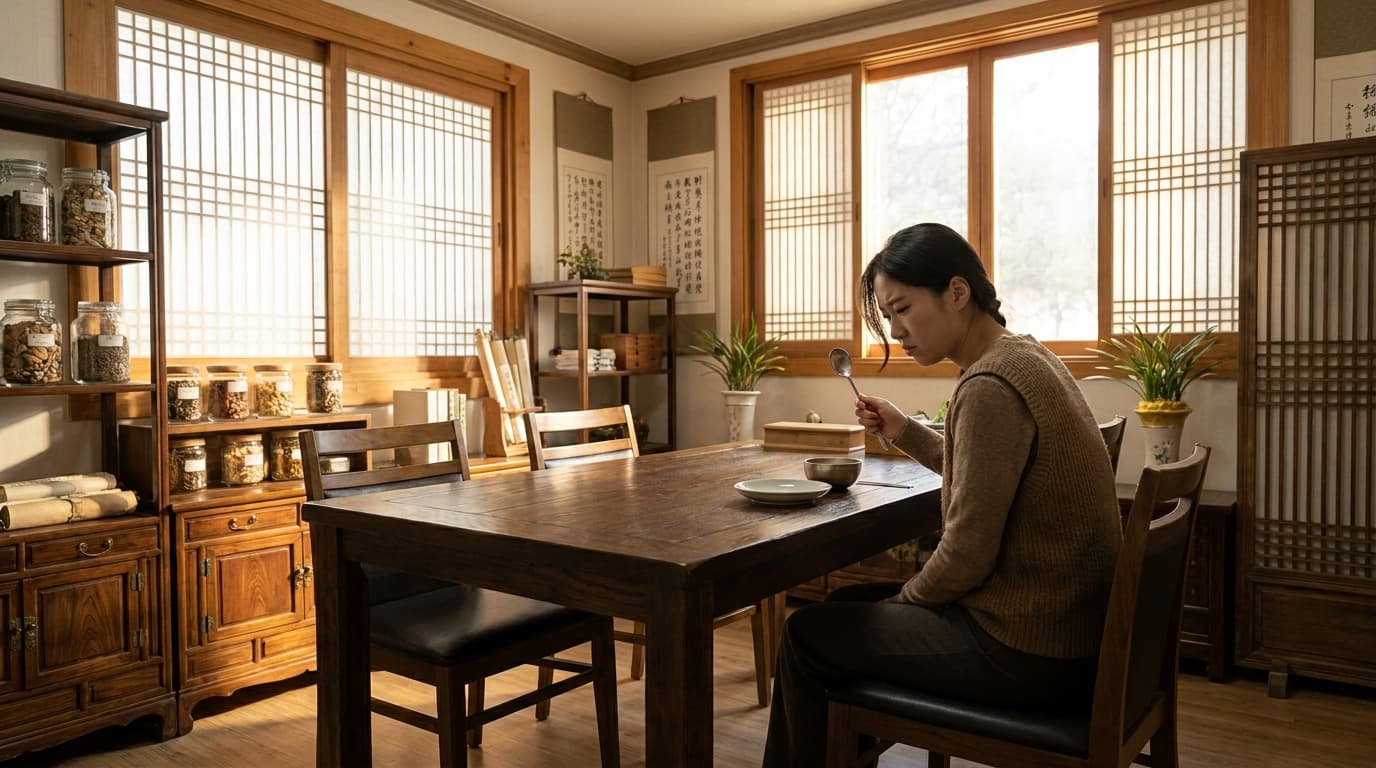
If You Suddenly Have Severe Stomach Pains And Are Worried It Might Be Appendicitis
Hello, this is Dalimchae Korean Medicine Clinic. # If You Suddenly Have Severe Stomach Pains And Are Worried It Might Be Appendicitis Have you ever been panicked by a sudden, severe stomachache and anxious whether it might be a serious illness? Especially when accompanied by symptoms like a pinching pain in the lower right abdomen, nausea, or loss of appetite, worry about whether it could be appendicitis often comes first. Even when visiting the hospital, many people feel frustrated finding no clear cause or solution, receiving only a diagnosis of 'functional dyspepsia.' However, pain is an important signal sent by the body, and it is crucial to accurately grasp its cause and treat it appropriately. 💡 **[Key Answer]** The 3 most common causes of the question 'I have a sudden stomachache': ① **Functional dyspepsia:** Pain due to decreased gastrointestinal motility without specific organic problems. ② **Irritable bowel syndrome:** Recurrent abdominal pain, diarrhea, and constipation caused by stress and bowel motility abnormalities. ③ **Damjeok (Phlegm accumulation):** Abdominal pain caused by undigested waste accumulating on the outer wall of the stomach. Dalimchae Korean Medicine Clinic solves the root cause of pain by improving the gut environment and restoring gastrointestinal motility through **gut detoxification**. ## When the Abdomen Pinches, How Do Simple Abdominal Pain and Early Appendicitis Symptoms Differ? We are often asked, "Is it appendicitis when my abdomen pinches?" Appendicitis is typically characterized by lower right abdomen pain, but in the early stages, it often starts around the navel or epigastrium and gradually moves to the lower right abdomen. Nausea, vomiting, loss of appetite, and a low-grade fever may accompany it, showing patterns where pain intensifies and worsens when moving or coughing. On the other hand, general abdominal pain occurs due to indigestion, gas, or stress, where the location of the pain is unclear and its intensity can fluctuate. Among the many patients visiting the Songdo branch of Dalimchae Korean Medicine Clinic, quite a few received diagnoses of simple abdominal pain due to no special findings in Western medical tests, yet visited because discomfort persisted. Such abdominal pain is deeply related to the functional decline of the stomach and intestines, or 'Damjeok' in Korean medicine. ## Even If Western Medical Tests Are 'Normal,' What Is the Cause? Many people feel confused after visiting the hospital for abdominal pain and undergoing various tests only to hear, "There are no special abnormalities." In such cases, functional gastrointestinal disorders or Damjeok disease can be suspected rather than organic problems. Functional dyspepsia occurs due to decreased gastrointestinal motility, and irritable bowel syndrome causes abdominal pain due to hypersensitivity of the gut resulting from imbalance in the gut-brain axis. A systematic review and meta-analysis published in the *Journal of Gastroenterology and Hepatology* in 2020 analyzed 49 clinical trials involving 7,396 patients with functional gastrointestinal disorders (such as irritable bowel syndrome and functional dyspepsia). The results showed that herbal medicine treatment had a statistically significant advantage over placebo in symptom improvement (relative risk 1.67, 95% confidence interval 1.48-1.88), showing comparable effects to conventional drug treatment in some cases. The researchers concluded that herbal medicine treatment can be an effective and safe treatment for functional gastrointestinal disorders. Additionally, a clinical study by a joint research team from the Korea Institute of Oriental Medicine and Kyung Hee University published in *Integrative Medicine Research* in 2026 found that applying the herbal prescription 'Gwakjeongtang-gami' to patients with diarrhea-predominant irritable bowel syndrome resulted in a more than 30% reduction in abdominal pain and normalization of stool consistency compared to placebo, showing a symptom improvement effect more than twice as high. Notably, there were 0 adverse events reported during the intake period, ensuring safety. These research findings support the importance of fundamental treatment of abdominal pain pursued by Dalimchae Korean Medicine Clinic, namely improvement of the gut environment and recovery of gastrointestinal function. ## Damjeok Can Be a Hidden Cause of Abdominal Pain In modern Korean medicine, 'Damjeok' is pointed out as one of the major causes of chronic and unexplained abdominal pain. Damjeok refers to the phenomenon where undigested food waste accumulates on the outer wall of the stomach and hardens. Damjeok accumulated on the outer wall of the stomach lowers gastrointestinal motility and affects the gut-brain axis, triggering not only various digestive symptoms but also systemic symptoms such as headaches, dizziness, and insomnia. Dalimchae Korean Medicine Clinic in Songdo does not view Damjeok merely as a stomach problem, but recognizes it as a problem connected to systemic health. ## How Does 'Gut Detoxification' Treatment at Dalimchae Korean Medicine Clinic Resolve Abdominal Pain? Dalimchae Korean Medicine Clinic finds the root cause of abdominal pain in gut toxins and decreased gastrointestinal function, applying **gut detoxification** treatment to resolve them. Toxins accumulated on the gut wall travel through the blood to create systemic inflammation, which hinders stomach movement and creates a vicious cycle causing abdominal pain. Gut detoxification treatment at Dalimchae Korean Medicine Clinic improves abdominal pain through the following principles: 1. **Restoration of gastrointestinal motility:** Activates peristaltic movement of the stomach lowered by Damjeok to aid digestion and relieve pain. 2. **Improvement of gut environment:** Helps proliferate beneficial bacteria and suppress harmful bacteria to restore gut microbial balance and prevent toxin accumulation. 3. **Inflammation relief and gut barrier reinforcement:** Recovers micro-damages on the gut barrier and reduces inflammatory responses, helping the gut resume healthy functions. Such gut detoxification treatment does not merely suppress symptoms, but solves the root cause of abdominal pain to prevent recurrence and help the body maintain a healthy state on its own. Especially for those visiting the Songdo abdominal pain Korean medicine clinic suffering from chronic indigestion or irritable bowel syndrome, gut detoxification treatment is effective in simultaneously improving the functions of the stomach and intestines. ## Abdominal Pain Checklist: Might This Apply to You? If you check 3 or more of the items below, it is recommended to suspect functional gastrointestinal disorders or abdominal pain caused by Damjeok, and consider accurate diagnosis and treatment through consultation with the medical staff at Dalimchae Korean Medicine Clinic Songdo branch. * You frequently feel a pinching sensation in your lower right abdomen. * Your navel area or epigastrium frequently aches. * Your stomach feels bloated and gas accumulates frequently. * After meals, you feel a lingering sensation of blockage in your stomach. * You frequently suffer from indigestion and upset stomach. * When stressed, you experience stomachaches or visit the restroom frequently. * Diarrhea and constipation alternate. * Nausea or queasiness is frequently felt. * Western medical tests show no special abnormalities. * Headaches, dizziness, or insomnia accompany abdominal pain. **If 3 or more apply:** Gut function decline or Damjeok suspected -> Consider complex Korean medicine treatment. **If 5 or more apply:** Immediate visit for precise diagnosis recommended. --- **Q. How long can sudden abdominal pain last?** A. Sudden abdominal pain can last from several hours to days depending on the cause. Simple indigestion improves relatively quickly, but emergency situations like appendicitis or chronic problems like functional gastrointestinal disorders or Damjeok can cause recurring or long-lasting pain. **Q. Can appendicitis be treated with Korean medicine?** A. Appendicitis (acute typhlitis/appendicitis) is an acute inflammatory disease requiring surgical treatment as an emergency condition. Dalimchae Korean Medicine Clinic does not treat appendicitis itself and recommends visiting a hospital immediately for accurate diagnosis and treatment if suspected. Korean medicine treatment is mainly helpful for functional abdominal pain, post-surgical recovery, or chronic inflammation management. **Q. Can stomach pain heal naturally?** A. Mild abdominal pain can heal naturally with rest or dietary habits improvement. However, if pain recurs, intensifies in strength, or is accompanied by other symptoms (fever, vomiting, weight loss, etc.), natural healing is difficult to expect. In such cases, accurate diagnosis and active treatment are necessary. **Q. I have abdominal pain along with indigestion, constipation, and diarrhea; can they be treated together?** A. Yes, abdominal pain accompanied by indigestion, constipation, and diarrhea is deeply related to gut-brain axis imbalance or Damjeok and overall gastrointestinal tract dysfunction. The gut detoxification treatment of Dalimchae Korean Medicine Clinic normalizes overall gastrointestinal tract function and improves the gut environment to treat these complex symptoms together. --- Sudden stomach pain. Rather than enduring this suffering alone, now is the time to find its cause and resolve it. You no longer need to ignore the body signals you have sent for a long time. If you approach in the right direction, your body reacts faster than you think. Bring the symptoms you are experiencing as they are. Dalimchae Korean Medicine Clinic will find the cause together. Where life blooms. Herbal medicine is Dalimchae Korean Medicine Clinic. Check symptoms similar to yours first through AI consultation on the Dalimchae Korean Medicine Clinic website! This article is health information compiled by Dalimchae medical staff based on questions frequently received in the treatment room. Medical Supervision | Department of Digestive Treatment Standards, Dalimchae Korean Medicine Clinic Songdo Branch, Korean Medicine Doctor Oh Hyun-min (Abdominal Symptom Column)