
Hello. This is Dalimchae Korean Medicine Clinic.
Struggling Too Much Due to Menopause, Which Choice Is Wise Between Supplements and Herbal Medicine?
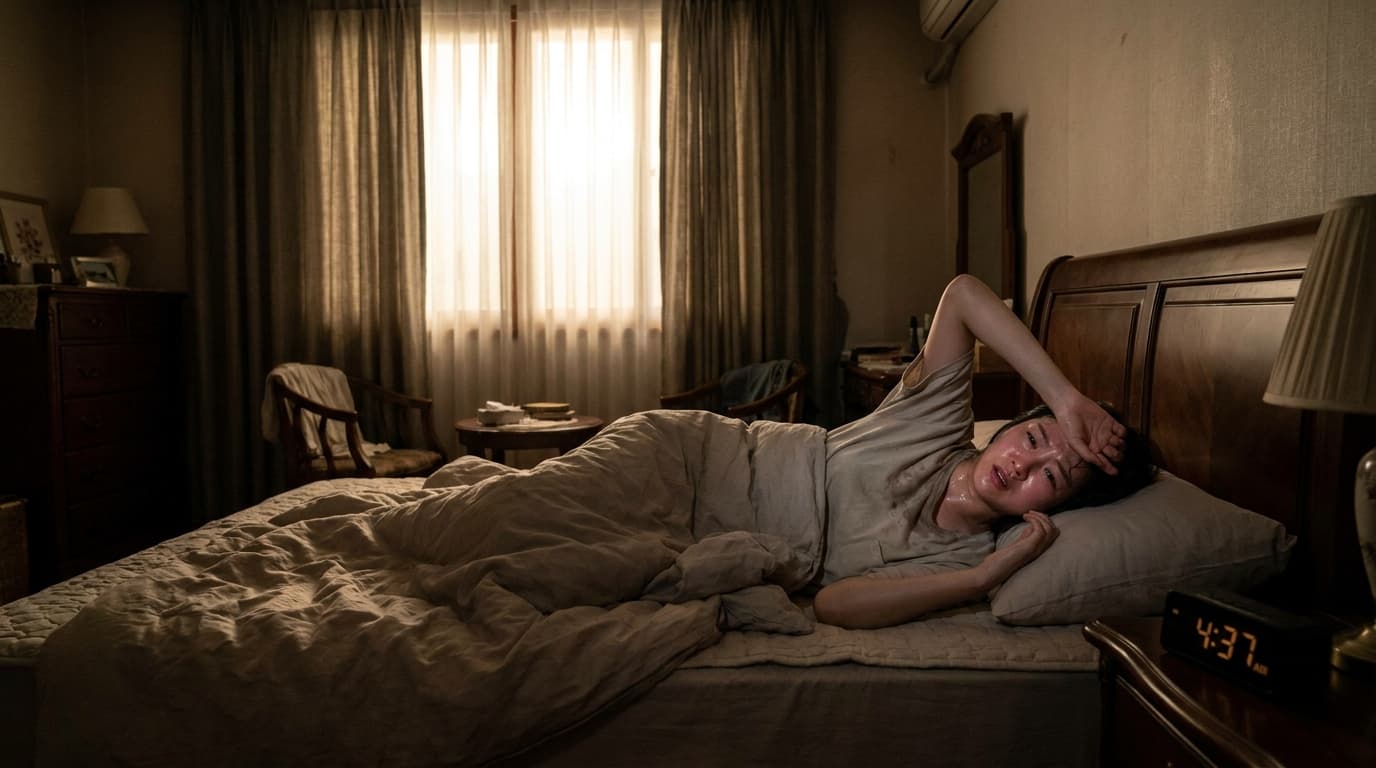
One day, your face suddenly flushes and nights without sleep increase. Irritation over small things, pain aching throughout your body at all times, and a sense of helplessness wash over you. These are common symptoms experienced when struggling too much due to menopause. Many people consider this period a "natural change" and try to endure it, or search for and take various menopausal supplements on the market, but often become frustrated after failing to see the expected effect.
💡 Core Answer Top 3 most common causes of menopausal symptoms: ① Hormone imbalance / ② Autonomic nervous system disturbance / ③ Psychological stress. Dalimchae Korean Medicine Clinic fundamentally improves menopausal symptoms by restoring the balance of the collapsed autonomic nervous system and maximizing the body's natural healing power.
Menopausal Symptoms, Why Are They So Diverse and Unpredictable?
Menopause is not simply a change that occurs as levels of the female hormone estrogen decrease. Hormonal changes directly affect the autonomic nervous system, our body's delicate control system. The autonomic nervous system is responsible for vital functions such as heart rate, temperature regulation, sleep, and digestion, and maintains body homeostasis through the balance of sympathetic and parasympathetic nerves. During menopause, harmony in this autonomic nervous system is easily broken due to hormone imbalance.
In particular, when excessive stress and fatigue accumulate, sympathetic nerves hyperactive, placing the body in a constant state of tension. Due to this, physical symptoms such as hot flushes, sweating, palpitations, insomnia, headaches, and dizziness, as well as psychological symptoms such as depression, anxiety, and decreased concentration, appear complexly. At the Incheon Menopause Clinic, these symptoms are viewed not simply as a hormone problem, but as a signal that the overall balance of the body has broken, and fundamental solutions are sought.
Menopausal Supplements, Do They Really Work?
Various supplements are available on the market to alleviate menopausal symptoms. Products containing phytoestrogen ingredients such as pomegranate, kudzu, and black cohosh are representative. While these supplements may provide temporary help to some women, they are not a universal solution for all menopausal symptoms. Supplements primarily focus on compensating for hormone deficiencies, but it is difficult to regulate the imbalance of the autonomic nervous system, which is the fundamental cause of complex menopausal symptoms.
Furthermore, effectiveness varies wildly depending on individual constitution and symptom severity, and improper intake can cause other problems. Many people feel that supplements alone cannot completely improve the quality of life caused by menopausal symptoms. To supplement these limitations and provide more fundamental treatment, accurate diagnosis and customized treatment by a specialist are required.
How Does Herbal Medicine Help with Menopausal Symptoms?
In Korean medicine, menopausal symptoms are viewed not simply as hormone deficiency, but as overload on the autonomic nervous system due to imbalances in internal organ functions, especially weak states such as kidney Yin deficiency (腎陰虛). Therefore, herbal medicine treatment focuses not on externally injecting lacking hormones, but on helping the body restore balance on its own and recover healthy functions.
In fact, research results showing that herbal medicine is effective in improving menopausal symptoms have been steadily published. In a study by Liu et al. published in PubMed in 2016, a randomized double-blind placebo-controlled trial involving 389 menopausal women aged 40 to 60 showed that the herbal prescription Danzhi Qing'e formula (DZQE) significantly decreased the Menopause Rating Scale (MENQOL) total score after 12 weeks (P = 0.02), and showed statistically significant effects in improving vasomotor symptoms (hot flushes, sweating, etc.) especially after 8 weeks of treatment and 4 weeks of follow-up. The researchers concluded that DZQE improves the quality of life of menopausal women experiencing vasomotor symptoms in particular. These results suggest that herbal medicine can raise overall quality of life by effectively regulating hot flushes and sweating, which are core menopausal symptoms.
Additionally, a study by Sreemantula et al. published in the Frontiers in Reproductive Health journal in 2026 evaluated the effects of Ashwagandha root extract (ARE) on managing menopausal symptoms in 60 women aged 45 to 55. After 56 days of treatment, the Menopause Rating Scale (MRS) total score in the ARE administration group decreased statistically significantly in all domains: psychological (p < 0.0001), physical (p < 0.0001), and urogenital (p < 0.0001) compared to the placebo group. The researchers reported that Ashwagandha root extract can be an effective and safe alternative for managing menopausal symptoms. Thus, herbal ingredients provide scientific evidence for improving various physical and mental difficulties experienced by menopausal women, going beyond simple symptom relief.
Furthermore, in a study by the Jaseng Spine and Joint Research Institute published in Nutrients in 2023, it was proven that a complex extract of Polygonatum and Lotus Seed, herbal ingredients mainly utilized in menopause treatment, is safe and effective in improving menopausal symptoms. In a study targeting mice induced with menopausal states through oophorectomy, this complex extract showed excellent safety by lowering concerns about side effects by suppressing ERα, a factor inducing endometrial hyperplasia, while increasing the expression of beneficial ERβ compared to synthetic estrogen. In addition, it showed even more superior effects in reducing osteoporosis, obesity, and depression, confirming lowered triglycerides and bone loss rates and increased blood levels of the happiness hormone serotonin. These results show the possibility that herbal ingredients can improve secondary health problems that can accompany menopause beyond simple symptom relief, and can treat more safely. For those considering Songdo menopause treatment, Dalimchae Clinic's herbal prescription can be a reliable choice.
When Autonomic Balance Breaks, Menopause Becomes Harder
Looking at people visiting Dalimchae Korean Medicine Clinic for menopausal symptoms, they complain of various pains that are difficult to explain by hormone levels alone. Often, even after receiving a "normal" diagnosis in Western medical exams or taking hormone drugs, they still struggle. This is because the balance of the autonomic nervous system, which acts as the body's "warning light," is broken.
Dalimchae Korean Medicine Clinic's menopause treatment does not stop at artificially matching female hormone levels. The core lies in autonomic stabilization. When autonomic balance breaks, the brain cannot rest and the body remains in a continuous state of tension. We focus on lowering the heat of this overheated nervous system and creating an environment where the brain can comfortably rest. In Korean medicine, this is called Water Up Fire Down (水昇火降), considering keeping the head cool and the lower abdomen warm as the basis of health.
Once autonomic balance is recovered, the body gains the strength to flexibly cope with hormonal changes. Systemic symptoms such as insomnia, fatigue, headaches, and dizziness, as well as vasomotor symptoms like hot flushes and sweating, naturally improve. As an Incheon autonomic nervous system clinic, Dalimchae Korean Medicine Clinic provides customized treatment that restores the harmony of the autonomic nervous system and maximizes the body's recovery power according to each patient's constitution and symptoms.
Menopause Self-Diagnosis Checklist
Check how many of the following items apply to you.
- □ Face or body feels hot and sweats a lot at night.
- □ Hard to fall asleep, wake up frequently, and don't feel refreshed even after sleeping.
- □ Mood sinks and feel depressed or anxious for no special reason.
- □ Irritated over small things and become testy.
- □ Easily fatigued and lack energy, making everything a chore.
- □ Joints or muscles frequently ache and hurt.
- □ Experience vaginal dryness or decreased libido.
- □ Frequently urinate or feel discomfort when urinating.
- □ Decreased concentration and memory not like before.
- □ Frequent headaches or dizziness.
Judgment Criteria and Recommendation:
- 3 items or fewer: May be early menopausal symptoms or temporary condition decline. Try improving lifestyle habits.
- 4-7 items: High possibility that menopausal symptoms are progressing. Autonomic imbalance is suspected, so professional consultation and complex Korean medicine treatment are recommended.
- 8 items or more: Severe stage of menopausal symptoms, which will have a big impact on overall quality of life. It is recommended to visit Dalimchae Korean Medicine Clinic as soon as possible for accurate diagnosis and customized treatment.
FAQ
Q. Menopausal herbal medicine, how long should I take it to see effects? A. The duration of taking menopausal herbal medicine can vary depending on the patient's symptom severity, constitution, and body recovery speed. Generally, meaningful symptom improvement can be expected through about 3 months of steady treatment, and after that, maintenance management periods are adjusted according to body condition.
Q. Can I take menopausal supplements and herbal medicine together? A. Taking menopausal supplements and herbal medicine together is possible, but must be decided after consulting an expert. There may be concerns about interactions between herbal medicine and supplement ingredients or duplicate excessive intake, so it is important to accurately inform medical staff of all medications and supplements currently taken.
Q. Menopausal symptoms are severe, must I visit a Korean medicine clinic? A. If menopausal symptoms are severe and you feel great inconvenience in daily life, receiving diagnosis and treatment from a specialist is very important. At the Korean medicine clinic, we provide customized treatment by finding fundamental causes such as autonomic nervous system imbalance rather than simple symptom relief, helping to improve symptoms more effectively and safely.
Q. Can menopausal symptoms recur after herbal medicine treatment? A. Even if symptoms have greatly improved through herbal medicine treatment, menopause is a period where hormonal changes continue, so lifestyle management and regular checkups are important. Dalimchae Korean Medicine Clinic provides overall lifestyle coaching such as diet, exercise, and stress management together to prevent recurrence, and helps maintain healthy menopause through supplementary treatment when needed.
Menopause is not a problem solved by enduring. You do not have to ignore the bodily signals you have been sending for a long time anymore. If you approach in the right direction, the body responds faster than you think. Bring the symptoms you are currently experiencing as they are. At Dalimchae Korean Medicine Clinic, we will find the causes together.
Where life blooms. For herbal medicine, it's Dalimchae Korean Medicine Clinic. Check your symptoms similar to mine through the AI consultation on the Dalimchae Clinic website first!
This article is health information compiled by Dalimchae medical staff based on questions frequently received in the treatment room. Medical Supervision | Women and Pregnancy Treatment Standards Dalimchae Korean Medicine Clinic Incheon Branch Korean Medicine Doctor Min Jihong (Menopause Column) #menopause #menopausalsymptoms #autonomicnervoussystem #incheonmenopauseclinic #koreanmedicinetreatment #hotflushes #menopauseinsomnia