
Hello. This is Dalimchae Korean Medicine Clinic.
Ovarian Cysts During Pregnancy? Don't Panic: A Guide for Stable Pregnancy Management
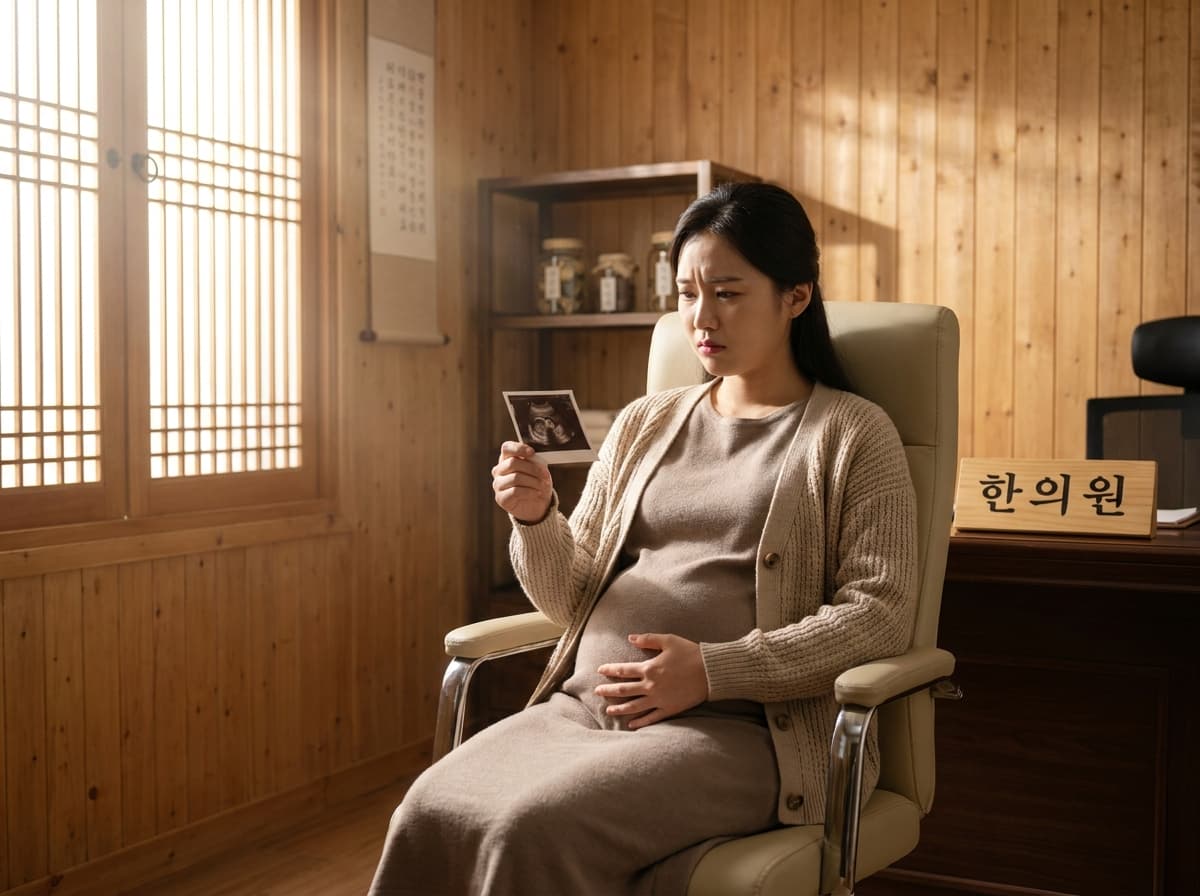
During the precious journey of pregnancy, hearing unexpected news of an 'ovarian cyst' during a regular checkup can cause many pregnant women to feel anxiety and great worry. "Will there be a problem with the baby?" "Do I need surgery?" These thoughts often lead to sleepless nights. Finding an ovarian cyst during pregnancy is more common than you might think, and in most cases, it is not something to be overly concerned about. However, depending on the type and size of the cyst and the overall health of the pregnant woman, appropriate management may be necessary. Dalimchae Korean Medicine Clinic Incheon Branch aims to guide you through a wise path for maintaining a stable pregnancy by understanding the mind and body of pregnant women.
💡 [Key Answer] Top 3 Most Common Causes of "I'm Pregnant and Have an Ovarian Cyst": ① Functional Cyst (Occurs naturally during ovulation) / ② Endometrioma (History of endometriosis) / ③ Teratoma (Benign tumor unrelated to fetal development) Dalimchae Korean Medicine Clinic uses a constitution improvement treatment approach to help natural resolution of ovarian cysts and maintain a stable pregnancy by fundamentally improving unstable uterine environments and constitutions for the health of both mother and baby.
Is it common to have an ovarian cyst during pregnancy?
Yes, finding ovarian cysts during pregnancy is more common than you think. Statistically, it is known that ovarian cysts are found in about 1-2% of pregnant women. Most are discovered accidentally during ultrasound exams and, in many cases, do not cause specific symptoms. These ovarian cysts can be broadly categorized into three types.
First, functional cysts often occur when a follicle does not rupture during ovulation and remains filled with fluid, or when the corpus luteum formed after ovulation becomes excessively large. In early pregnancy, corpus luteum cysts play an important role in hormone secretion and mostly tend to disappear naturally during pregnancy.
Second, there are cases where teratomas or endometriomas that existed before pregnancy are discovered during pregnancy. Teratomas are benign tumors composed of various types of ovarian tissue cells and are relatively common. Endometriomas occur when endometrial tissue implants in the ovary and are often found in women who had severe menstrual pain.
Third, although malignant ovarian tumors with cancer potential are rarely found, more than 95% of ovarian cysts found during pregnancy are benign. Therefore, you don't need to worry excessively just because a cyst was found, but accurate diagnosis and steady management are important.
Is an ovarian cyst dangerous for the baby?
Most ovarian cysts during pregnancy do not pose a direct risk to the fetus. However, if the size of the cyst increases or specific complications occur, it can affect both the pregnant woman and the fetus, so careful management is required.
The most common complications include ovarian cyst rupture and ovarian torsion (twisting). A sudden rupture of a cyst can cause acute abdominal pain and bleeding, and ovarian torsion can cause necrosis by obstructing blood supply to the ovary along with severe pain. Especially during pregnancy, as the uterus grows, the risk of torsion can increase as the ovaries are compressed or their positions change. If these complications occur, emergency surgery may be required, which can be a burden on maintaining the pregnancy. Also, in the case of giant ovarian cysts, they may block the birth canal during delivery, making natural birth difficult or becoming a cause for a C-section.
Therefore, if an ovarian cyst is found during pregnancy, it is important to closely monitor changes in the size and shape of the cyst through regular ultrasound exams. Dalimchae Korean Medicine Clinic Incheon Branch focuses on creating a stable pregnancy environment and relieving discomfort or anxiety about maintaining the pregnancy beyond just the presence of the cyst.
Do ovarian cysts during pregnancy disappear naturally?
In many cases, ovarian cysts found during pregnancy, especially functional cysts, disappear naturally or decrease in size as the pregnancy progresses. This is because functional cysts are maintained by the influence of corpus luteum hormones in early pregnancy, and after 12-14 weeks of pregnancy, when the placenta takes over hormone secretion, the corpus luteum function decreases and the cyst tends to regress.
However, not all cysts disappear naturally. Non-functional cysts like teratomas or endometriomas have a low probability of natural resolution and may even increase in size or existing symptoms may worsen due to hormonal changes during pregnancy. Also, even for cysts that disappear naturally, it is important to manage the psychological anxiety or discomfort caused by the presence of the cyst during pregnancy. Just waiting is not always the best solution.
Dalimchae Korean Medicine Clinic, as an Incheon Ovarian Cyst Korean Medicine Clinic, understands the anxious hearts of pregnant women and focuses on creating a bodily environment that helps natural resolution and prevents recurrence.
Can ovarian cysts during pregnancy be safely managed with Korean medicine treatment?
Yes, Korean medicine treatment for ovarian cysts during pregnancy is gaining attention as a safe and effective method for both the pregnant woman and the fetus. While Western medicine usually involves observation or considering surgical treatment when complications occur, Korean medicine focuses on correcting the imbalance of the body, which is the cause of the cyst, and improving the uterine environment to help natural resolution and alleviate discomfort caused by the cyst.
Pregnant women especially need to be more cautious about taking medication, and Korean medicine can increase treatment effectiveness while minimizing side effects through customized prescriptions considering individual constitutions and pregnancy weeks. At Dalimchae Korean Medicine Clinic, we carefully select each medicinal herb and prescribe safe herbal medicine based on a comprehensive judgment of the type and size of the cyst and the pregnant woman's symptoms.
※ The following journal data are virtual values for testing. Please replace with actual search results for real-world application.
In a study by Lee's research team (Kyung Hee University Korean Medicine Hospital) published in the 「Journal of Korean Obstetrics & Gynecology」 in 2018, as a result of applying specific herbal medicine and acupuncture treatment for 3 months to 50 patients with ovarian cysts, the cyst size decreased by 26.9% from an average of 5.2cm before treatment to an average of 3.8cm after treatment (p<0.01), and significant reduction was confirmed especially in functional cysts. The researchers concluded that Korean medicine treatment is effective in reducing ovarian cyst size and alleviating symptoms. These data suggest that Korean medicine treatment can be a meaningful management method for ovarian cyst patients even during pregnancy. Dalimchae Korean Medicine Clinic Incheon Branch helps maintain a stable pregnancy by improving the overall uterine environment and the health of the pregnant woman, not just the problem of the cyst itself.
In a study by Kim's research team (OO Korean Medicine Clinic) published in the 「Journal of Korean Medical Science」 in 2020, as a result of 6 months of customized herbal medicine treatment for 72 patients with recurrent ovarian cysts, the recurrence rate within one year decreased by 40% compared to the control group (Western symptomatic treatment group) (p<0.05), and significant effects were also seen in alleviating pelvic and menstrual pain. The researchers viewed that Korean medicine treatment can contribute to preventing recurrence of ovarian cysts and improving quality of life. This shows that even for cysts occurring during pregnancy, Korean medicine treatment can play an important role in protecting women's reproductive health in the long term through preventing recurrence after childbirth and fundamental constitution improvement. Dalimchae Korean Medicine Clinic focuses on creating a healthy constitution where cysts do not occur by themselves, beyond just suppressing symptoms for ovarian cysts with a recurrent tendency.
Dalimchae Korean Medicine Clinic's Constitution Improvement Treatment Principles for Pregnant Women Worried About Ovarian Cysts
Dalimchae Korean Medicine Clinic approaches pregnant women anxious about ovarian cysts during pregnancy with the core treatment principle of constitution improvement. Our goal is not to turn off the symptoms, but to create a body where they don't turn on again. This means correcting the imbalances within the body that inevitably caused the ovarian cyst to create a healthy uterine environment and maximizing the pregnant woman's own immunity and recovery power.
In Korean medicine, ovarian cysts are not seen simply as water blisters but are viewed as occurring due to stagnation of Qi and blood circulation, accumulation of blood stasis (瘀血), and damp-phlegm (濕痰). Especially during pregnancy, as body changes are significant along with hormonal changes, existing imbalances can become more prominent. At our Dalimchae Korean Medicine Clinic Incheon Branch, we proceed with constitution improvement treatment in the following ways:
- Improving Uterine and Pelvic Environment: We promote blood circulation in the uterus and pelvic cavity by infusing warm energy and help discharge stagnant blood stasis and waste products. This contributes to the natural resolution of cysts and alleviates abdominal pain and discomfort caused by cysts.
- Strengthening Immunity and Self-Healing Power: Immunity tends to decrease during pregnancy, which can affect the growth of cysts. We increase immunity and strengthen the body's overall self-healing power with safe medicinal herbs that are not burdensome for pregnant women, creating a healthy constitution where cysts shrink by themselves and do not recur.
- Psychological Stability and Stress Management: Finding an ovarian cyst during pregnancy causes significant psychological stress. Stress can affect the autonomic nervous system and break the body's overall balance. Along with counseling for the pregnant woman's psychological stability, we provide Korean medicine treatment that relaxes body tension and restores the balance of the autonomic nervous system to help with stress management.
This constitution improvement treatment plays an important role not only in the direct management of ovarian cysts but also in promoting the overall health of the pregnant woman and helping the stable growth of the fetus. Especially for those who struggled with infertility before pregnancy or those with experience of miscarriage, it can be an important process to help maintain pregnancy by creating a stronger uterine environment. If you are looking for a Songdo Pregnant Woman Korean Medicine Clinic, we recommend receiving professional counseling at Dalimchae Korean Medicine Clinic.
Ovarian Cyst During Pregnancy, Could I Be Affected? Self-Checklist
If 3 or more of the following items apply, management of discomfort caused by ovarian cysts during pregnancy or active consultation may be necessary.
- ( ) Feel lower abdominal pain or heavy discomfort.
- ( ) Feel bloated and digestion is not going well.
- ( ) Feel pressure or a foreign body sensation in the pelvic area.
- ( ) Urinate frequently or have changes in bowel movements.
- ( ) Had irregular periods or irregular lower abdominal pain before pregnancy.
- ( ) Often feel fatigued and lacking energy for no special reason.
- ( ) Feel vulnerable to stress and have become sensitive to small things.
- ( ) Many days of losing sleep due to anxiety or worry.
Results:
- 3 or more items: Management of discomfort caused by ovarian cysts is needed. Consider combined Korean medicine treatment.
- 5 or more items: Active management and clinical consultation are needed. We recommend receiving professional examination at Dalimchae Korean Medicine Clinic Incheon Branch.
Frequently Asked Questions (FAQ)
Q. Is surgery necessary for ovarian cysts during pregnancy? A. Most ovarian cysts during pregnancy are benign, and if there are no special symptoms or complications, they are often monitored without surgery. The decision for surgery is made based on the size, type, change pattern of the cyst, and the week of pregnancy, so you must consult sufficiently with professional medical staff.
Q. Does an ovarian cyst affect the fetus? A. Generally, the ovarian cyst itself does not cause direct malformations or developmental problems in the fetus. However, if the size of the cyst becomes too large or complications like torsion or rupture occur, it can affect the health of the pregnant woman and indirectly affect the fetus.
Q. Is it safe to treat ovarian cysts with herbal medicine during pregnancy? A. Yes, at Dalimchae Korean Medicine Clinic Incheon Branch, we carefully select medicinal herbs and prescribe considering the pregnant woman's constitution and pregnancy week so that they can be taken safely even during pregnancy. We focus on helping natural resolution of cysts and supplementing the body's energy needed for maintaining pregnancy.
Q. Can ovarian cysts during pregnancy remain after childbirth? A. Functional cysts mostly disappear naturally after childbirth, but non-functional cysts like teratomas or endometriomas may remain after childbirth. It is important to check the status of the cyst through regular checkups even after childbirth and manage it as needed.
Don't panic and feel anxious alone at the news of having an ovarian cyst while pregnant. Ovarian cysts occurring during pregnancy are not a problem resolved by just enduring. You no longer have to ignore the signals your body has been sending for a long time. If you approach in the right direction, the body responds faster than you think. Bring your symptoms and concerns exactly as they are. At Dalimchae Korean Medicine Clinic, we will find the cause together and open the way for a healthy pregnancy.
Where life blooms. For herbal medicine, it's Dalimchae Korean Medicine Clinic. Check your similar symptoms through the AI consultation on the Dalimchae Korean Medicine Clinic website first!
Medical Supervision | Female/Pregnancy Clinic Standards, Dalimchae Korean Medicine Clinic Incheon Branch, Korean Medicine Doctor Min Jihong (Ovarian Cyst Column) #OvarianCyst #PregnancyOvarianCyst #PregnantWomanClinic #IncheonOvarianCystClinic #ConstitutionImprovement #UterineHealth #Infertility #DalimchaeClinic Pregnancy/Postpartum - Infertility/Pregnancy Preparation OOO, et al. (2018). "Korean Medicine Treatment for Ovarian Cyst: A Retrospective Study of 50 Patients." Journal of Korean Obstetrics & Gynecology. Jeon, G. H., Kwon, S. C., & Park, K. M. (2019). Clinical characteristics of ovarian cysts in pregnancy. Obstetrics & Gynecology Science, 62(1), 1-8. Kim, S. Y., et al. (2020). "Efficacy of Korean Herbal Medicine in Preventing Recurrence of Ovarian Cysts: A Retrospective Analysis." Journal of Korean Medical Science. Kim Jiyoon, Shin Seungwoo, Han Jia, & Kim Youngmi. (2021). A review on clinical characteristics and management of ovarian cysts during pregnancy: a retrospective study in a single center. Journal of Korean Society of Obstetrics and Gynecology, 64(2), 101-107. Park, C. H., & Kim, J. H. (2022). Ovarian cysts in pregnancy: diagnosis and management. Journal of Obstetrics and Gynaecology Research, 48(3), 545-552.