
Hello, this is Dalimchae Korean Medicine Clinic.
Menopausal Sorrow, Unreasoned Tears Are Warning Lights of the Body
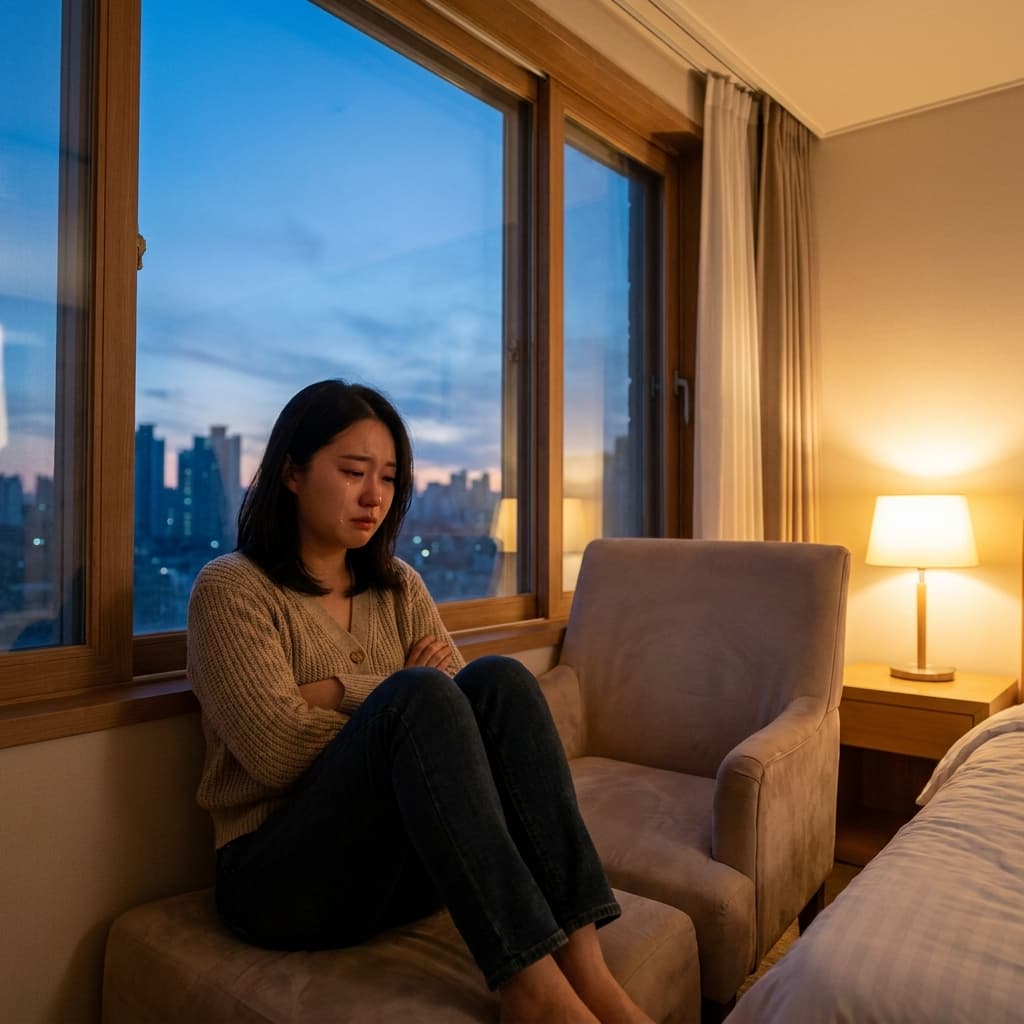
Did tears suddenly pour out for no reason one day, and sorrow welled up over trivial matters? Things that usually passed without a second thought felt overwhelming, and you frequently suffered from lethargy. You probably felt flustered, riding an emotional roller coaster as if you had returned to your puberty days. Such emotional changes experienced as you reach menopausal age are realistic difficulties shared by many women. Dismissing them simply as a matter of mood is too intense and long-lasting, shaking daily life.
💡 [Key Answer] 3 most common causes of Menopausal Sorrow: ① Rapid female hormone changes / ② Autonomic nervous system imbalance / ③ Brain neurotransmitter changes Dalimchae Korean Medicine Clinic relieves the root causes of menopausal emotional fluctuations through autonomic stability, helping you regain body and mind balance.
Why do emotional fluctuations and sorrow worsen during menopause?
Menopause begins as the secretion of estrogen, a female hormone, drops sharply. Estrogen does not merely affect reproductive functions; it also plays an important role in brain function regulation and autonomic nervous system stability. Therefore, when estrogen levels become unstable, it affects brain neurotransmitter secretion, lowering emotional control ability and easily breaking the balance of the autonomic nervous system. These changes appear in various psychological symptoms such as insomnia, anxiety, depression, and unreasoned sorrow. In Korean medicine, these states are diagnosed as 'yin and blood deficiency' or 'liver qi stagnation', viewing that when body balance is broken, peace of mind is shaken together.
How does Korean medicine understand and treat menopausal depression and emotional fluctuations?
In Korean medicine, menopausal emotional fluctuation is not viewed merely as a hormone problem. The influence of female hormone changes on the autonomic nervous system is considered important. Due to long-term stress and irregular lifestyle habits, the autonomic nervous system, already unstable, loses further balance when experiencing the change called menopause. When sympathetic nerves are excessively hyperactive, the body is always in a state of tension, leading to emotional changes such as easily feeling sorrow or getting angry at small stimuli. Dalimchae Korean Medicine Clinic in Incheon provides treatments to correct this autonomic nervous system imbalance, helping the body regain a sense of stability on its own.
In 2018, Dr. Yeon-Hee Ryu's research team at the Korea Institute of Oriental Medicine published a study in the international journal 'Scientific Reports', providing scientific evidence that acupuncture treatment is effective in alleviating menopausal depression. The research team applied acupuncture stimulation to 'Sanyinjiao' (SP6), an acupoint effective for women's diseases, in a menopausal depression animal model induced with hormone deficiency via oophorectomy. As a result, the experimental group receiving acupuncture stimulation showed increased expressions of brain-derived neurotrophic factor (BDNF) and neuropeptide Y (NPY) in the hippocampus, showing a clear depression-alleviating effect. This scientifically elucidated the action mechanism by which acupuncture increases brain function regulatory substances to improve depression.
Furthermore, a 2015 review by Duk-Ho Kim and Dong-Il Kim on traditional Korean medicine treatments for menopausal depression in women suggested that acupuncture and herbal medicine treatments have significant effects in improving menopausal depression. A review of 2020 clinical studies published in the Journal of Korean Medicine Neuropsychiatry analyzed 24 clinical studies involving herbal medicine interventions for menopausal depression, confirming fewer side effects in the herbal medicine treatment group compared to the control group. These research findings support the efficacy and safety of Korean medicine treatment for menopausal sorrow and emotional fluctuations. Dalimchae Korean Medicine Clinic boosts the body's recovery power through customized autonomic stability treatments tailored to individual constitutions and symptoms based on these scientific grounds.
Autonomic Stability, the Core Key to Governing Menopausal Sorrow
Menopausal emotional fluctuation is like an 'autonomic warning light' indicating that the brain cannot rest and is overheating. When sympathetic nerves become hyperactive and parasympathetic functions decrease due to stress and hormone changes, the brain falls into an overload state, reacting sensitively to small stimuli. At this time, it is important to lower nervous system heat and create an environment where the brain can rest—in Korean medicine, this is called Suseunghwagang (water rises, fire descends). Dalimchae Korean Medicine Clinic meticulously diagnoses individual body conditions and combines customized herbal medicine, acupuncture, and pharmacopuncture treatments to restore autonomic balance. This is a fundamental approach helping the body feel comfortable on its own by stabilizing the autonomic nervous system, rather than simple symptom suppression. Such treatments help improve not only menopausal sorrow but also other menopausal symptoms accompanied by autonomic imbalance such as insomnia, hot flashes, and dizziness.
Menopausal Sorrow Self-Diagnosis Checklist
If 3 or more of the following items apply, it is recommended to suspect autonomic imbalance due to menopause and consult an expert.
- Tears pour out for no reason and sorrowful emotions occur frequently.
- Irritation or anger surges even over trivial matters, making emotional control difficult.
- A stuffy chest or palpitation is frequently felt.
- Difficulty falling asleep or waking up frequently lowers sleep quality.
- Always tired, lethargic, and lacking motivation.
- Face suddenly flushes or cold sweats occur (hot flashes, sweating).
- Headaches or dizziness occur frequently.
- Digestion is poor and the stomach feels bloated or stuffy.
- Aches and pains occur here and there in the body for no special reason (joint pain, muscle pain).
When 3 or more apply -> Suspect autonomic imbalance -> Consider complex Korean medicine treatment When 5 or more apply -> Immediate visit for accurate diagnosis and treatment recommended
Q. How long can menopausal emotional fluctuations last? A. Menopausal symptoms vary greatly by individual, but usually last 5 years before and after menopause, or up to 10 years or more. Especially emotional fluctuations and depression can last longer than physical symptoms, making active management important.
Q. Can menopausal sorrow be treated with Korean medicine? A. Yes, Korean medicine treatment is effective in improving emotional symptoms such as menopausal sorrow and depression. It regulates autonomic nervous system imbalances caused by hormone changes and finds the balance of brain neurotransmitters to help regain peace of mind.
Q. If menopausal symptoms are severe, will they get better naturally if I just endure them? A. Un235essantly enduring menopausal symptoms can lead to middle-aged depression. It is wise to relieve symptoms through proper treatment and management early on and prepare for a healthier and more active life after menopause. Find the Incheon menopause Korean medicine clinic and receive professional consultation.
Q. Menopause and insomnia are present together; can they be treated together? A. Yes, menopausal symptoms and insomnia often share a common cause of autonomic imbalance and can be treated together. Stabilizing the autonomic nerves can improve not only emotional fluctuations but also sleep quality. You can receive precise diagnosis through EEG/pulse wave examination at the Incheon branch.
Menopausal sorrow is not a problem solved by enduring. You do not need to ignore the body signals sent for a long time anymore. Approaching in the right direction makes the body react faster than expected. Bring the symptoms you are currently experiencing as they are. Dalimchae Korean Medicine Clinic will find the cause together.
Where life blooms. Herbal medicine is Dalimchae Korean Medicine Clinic. Check symptoms similar to yours first through AI consultation on the Dalimchae Korean Medicine Clinic website!
This article is health information organized together by Dalimchae medical staff based on frequently received questions in the treatment room. Medical Supervision | Women & Pregnancy Treatment Standard, Dalimchae Korean Medicine Clinic Incheon Branch, Korean Medicine Doctor Min Ji-hong (Menopause Column)